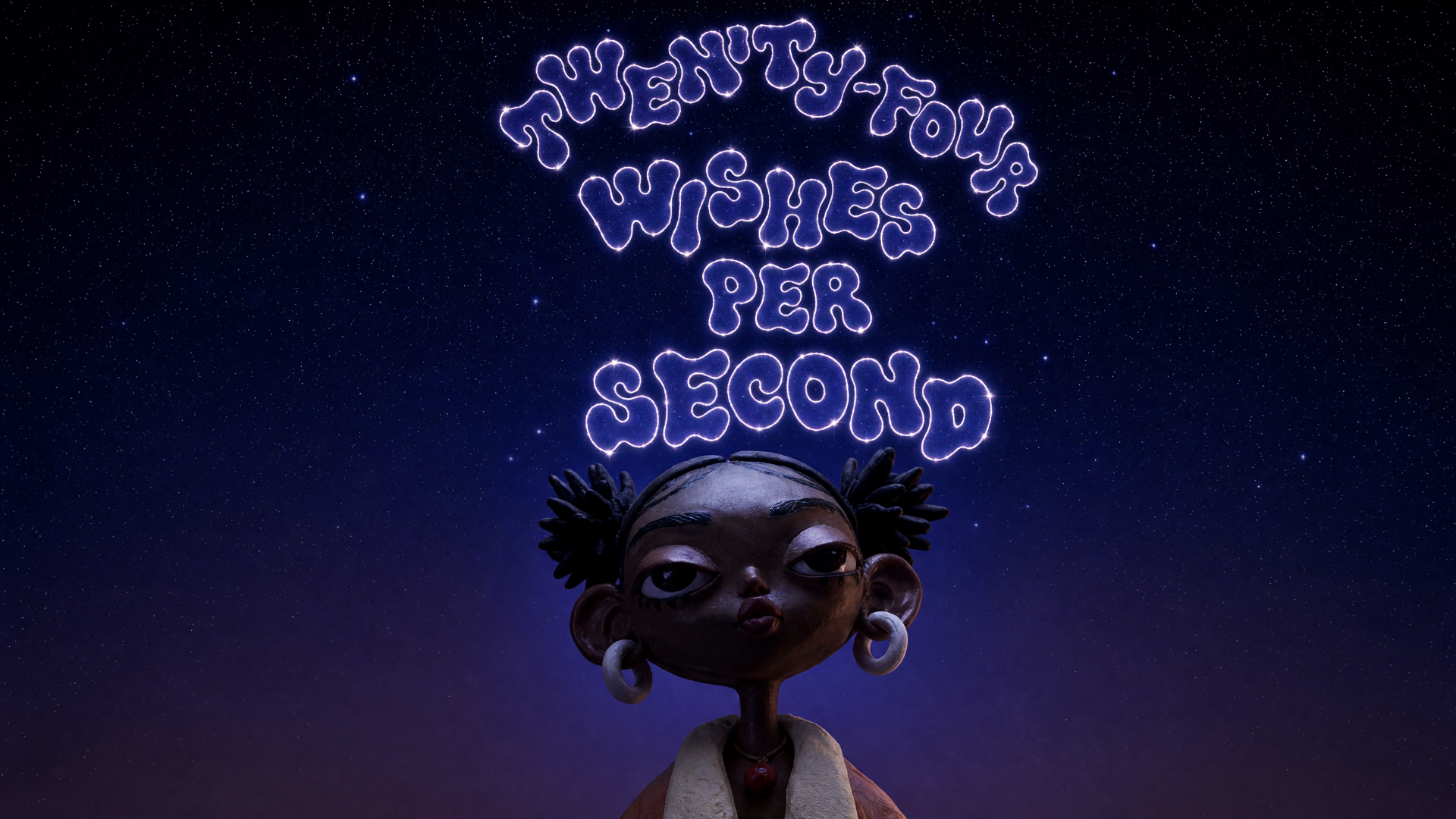
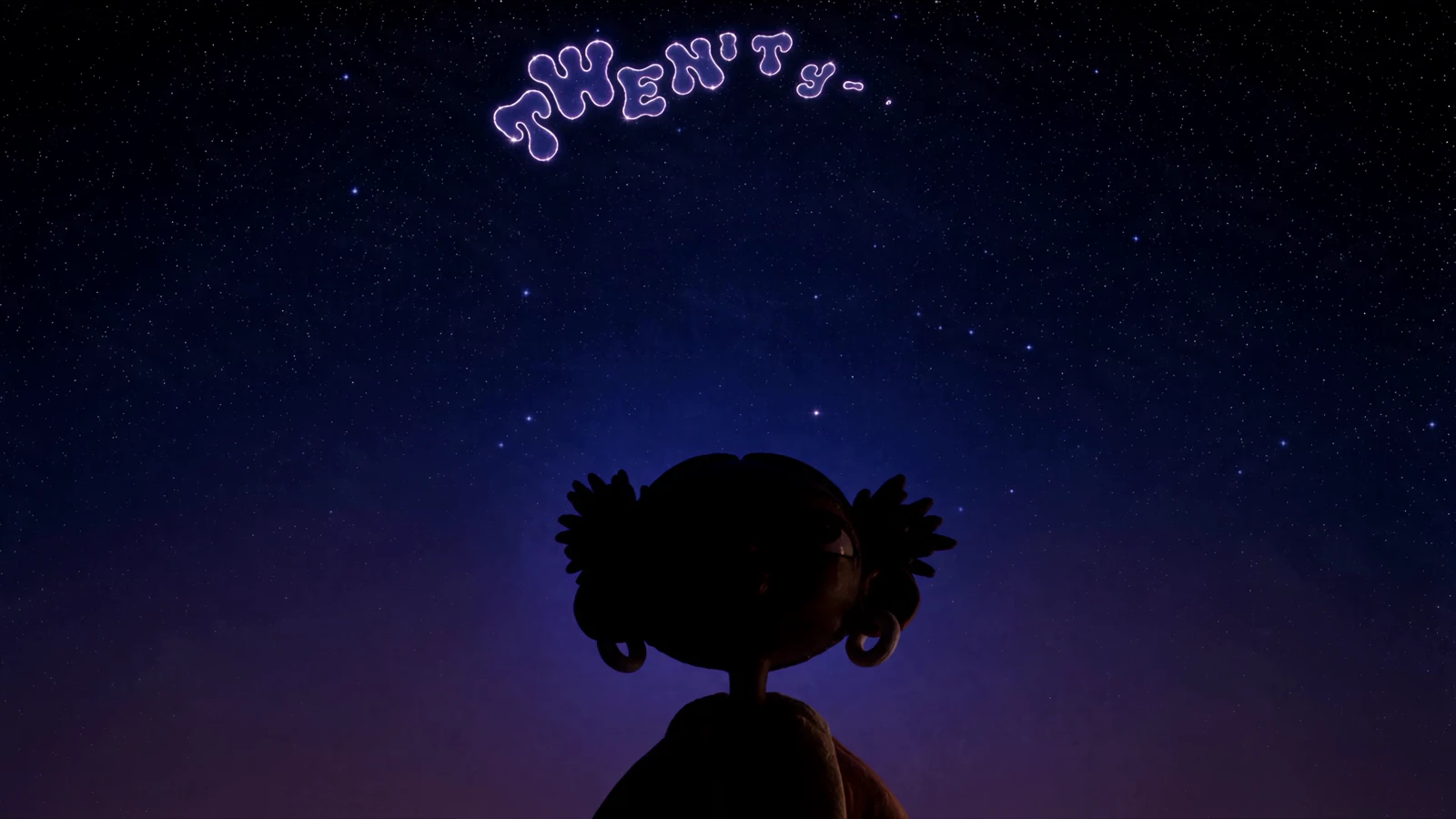
Twenty-Four Wishes per Second, film still

Twenty-Four Wishes per Second

Twenty-Four Wishes per Second
SHORT FILM DIRECTED BY ARANTXA BARCIA
SAN FRANCISCO · 2026
Generated shot by shot, graded and sewn by hand
Format:
DIGITAL / 16:9
Type:
SHORT FILM
Production:
MITO Films
Platform:
MITO AI
CRAFT
HISTORY, ZOETROPE TO AI
with Adriana Arratia, script and edit
×9 STAGES
GENERATION, WORST SHOT
Seedance, Grok, Nano Banana
×300 TAKES
GRADE
DaVinci Resolve, hand-built LUTs
×3 LOOKS
CONTINUITY AND RETOUCH
Photoshop, After Effects
×11 FIXES
THE ROOM×35 TITLESposters and bookshelf, Josefa Toro
RESOLUTION, 720P TO 1080P
×2 PASSES
FINAL RUNTIME
9'12"
www.arantxabarcia.com
A DIRECTOR WITH NOTHING TO SAY
falls into a zoetrope and spends
A HUNDRED YEARS OF CINEMA
looking for the reason she started. Nine minutes,
ZOETROPE TO AI,
generated shot by shot and sewn together by hand.
TWENTY-FOUR FRAMES A SECOND,
twenty-four wishes.
“Forget wishes, tell your story.” In the script from the first draft.
1
2
TWENTY-FOUR WISHES A SECOND
3
4
TWENTY-FOUR FRAMES.
5
TWENTY-FOUR WISHES.
6
7
8
Cinema runs at twenty-four frames a
9
second. The frames were never the
10
hard part. The hard part is wanting
11
to tell something.
12
13
Halfway through, the Tin Man tells
14
her: forget wishes, tell your story.
15
The line was in the script from the
16
first draft and nobody paid it any
17
attention. When we went looking for
18
a title, we found it was already
19
written inside the film. The thesis
20
was there before we knew it was the
21
thesis.

TWENTY-FOUR WISHES A SECOND

TWENTY-FOUR FRAMES. TWENTY-FOUR WISHES.

Cinema runs at twenty-four frames a second. The frames were never the hard part. The hard part is wanting to tell something.

Halfway through, the Tin Man tells her: forget wishes, tell your story. The line was in the script from the first draft and nobody paid it any attention. When we went looking for a title, we found it was already written inside the film. The thesis was there before we knew it was the thesis.

1834
2026
EVERY STAGE IN THIS CHAIN WAS,
IN ITS DAY, THE NEW TOOL
THAT WAS GOING TO KILL CINEMA.
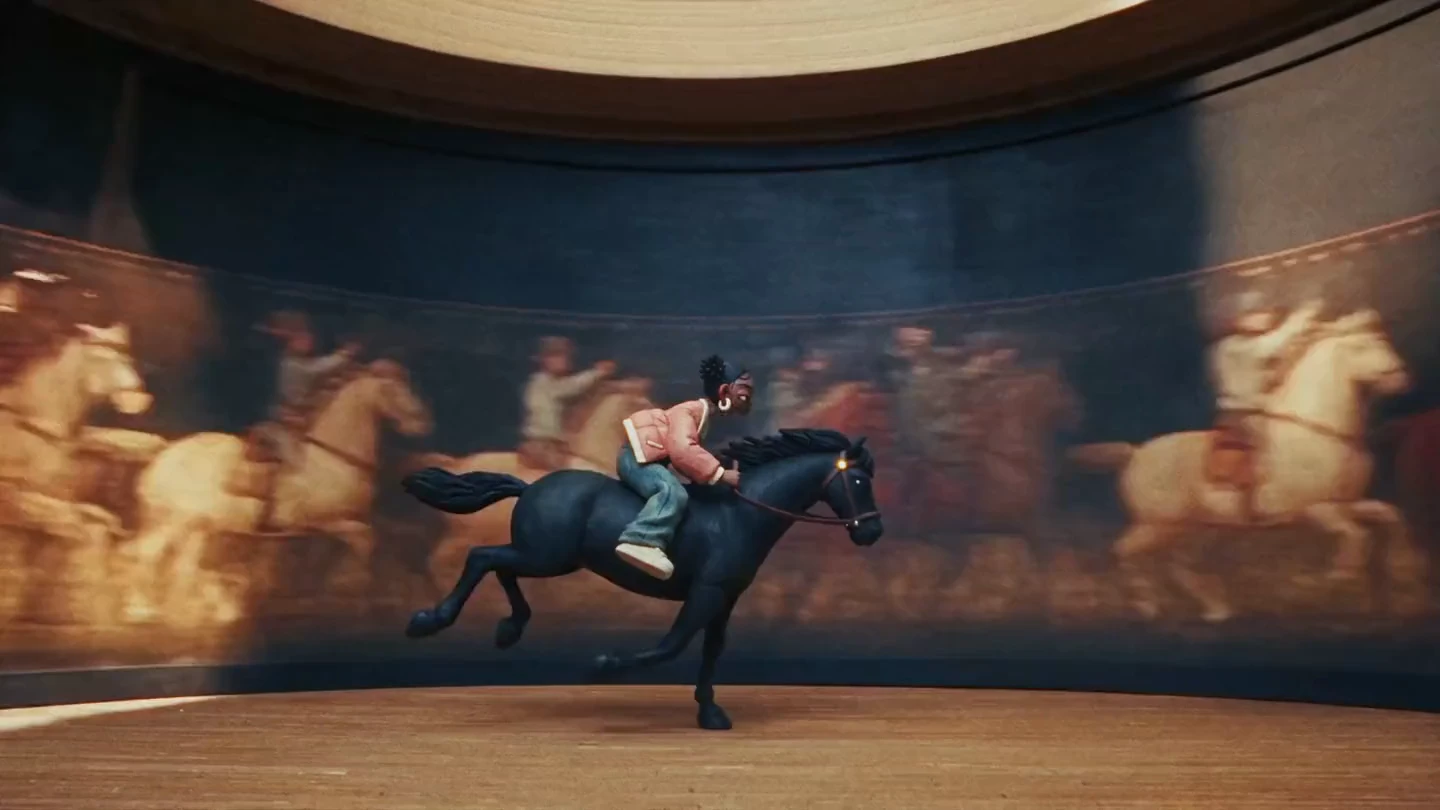
The zoetrope is from 1834. It is the first machine that made a drawing move. Starting there and ending in AI is not decoration, it is the argument.
Zoetrope

A sequence of drawings, a turning drum. Movement begins in the gaps between still images.

WHAT WAS DONE BY HAND, THAT YOU WILL ASSUME THE MACHINE DID
MODELS MAKE SHOTS.
THEY DON'T MAKE FILMS.
EVERYTHING IN BETWEEN
IS THE WORK.
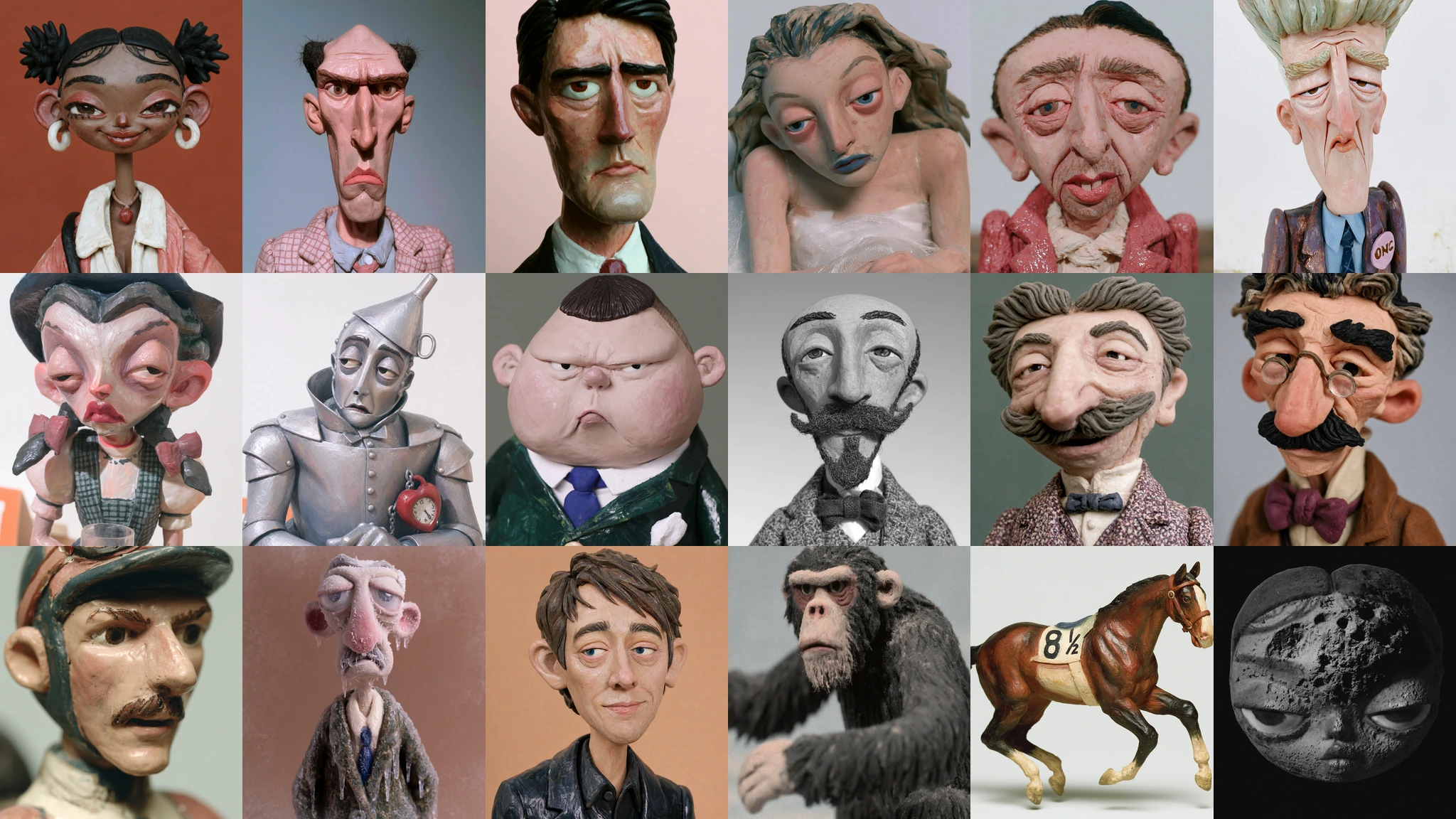
Nothing in this film was found. Every object in every frame was designed, named and approved before a single shot was generated, and most of them were redesigned two or three times after that.

Eighteen clay puppet characters from the film laid out on a terracotta ground, Aaliyah first and the moon last
Design
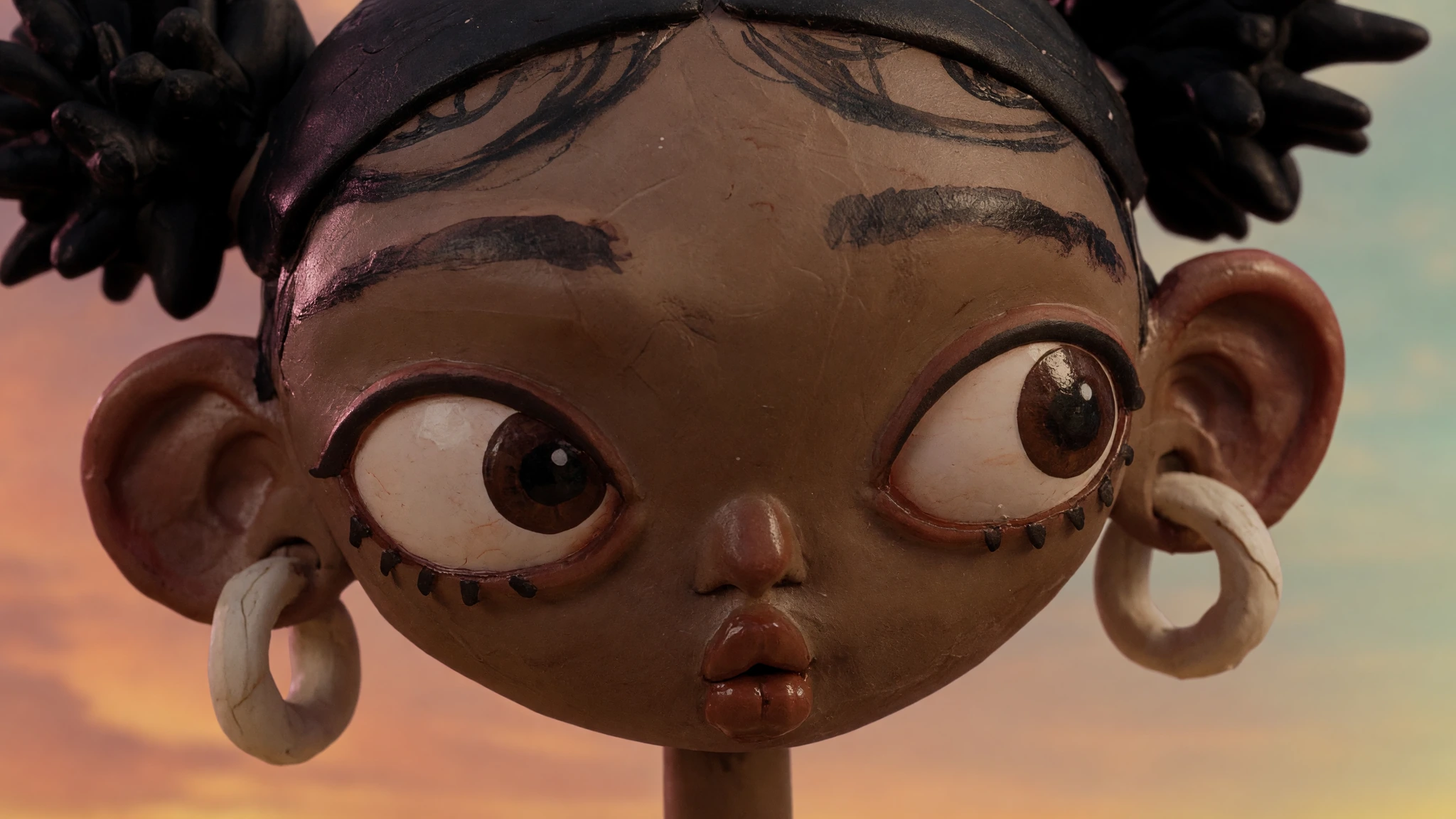
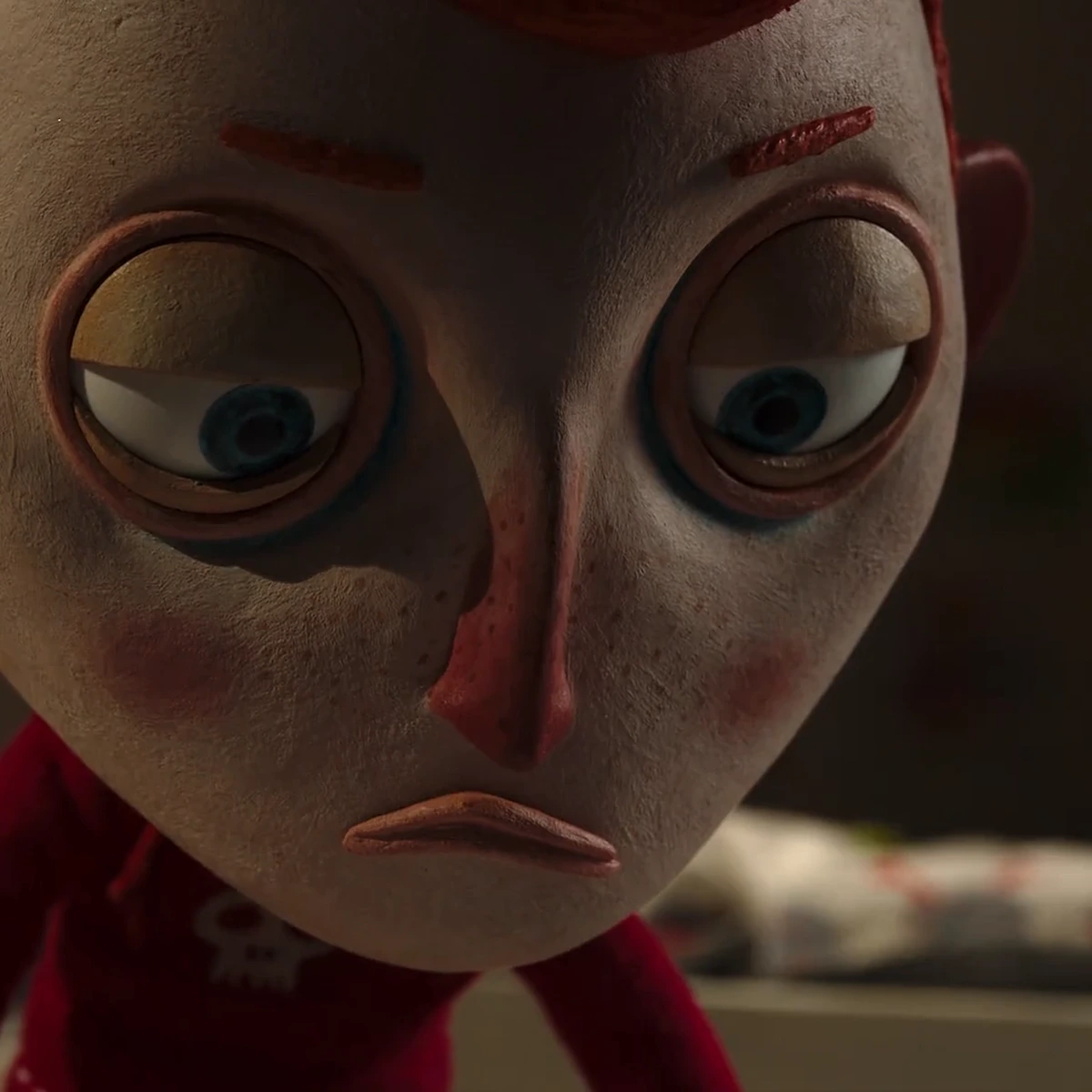
Extreme close-up of Aaliyah against a dusk sky, fingerprints and tool marks visible in the clay
In film
We designed Aaliyah before anything else existed, because nine minutes only hold together if she stays the same person. Braided pigtails, coral puffer jacket, the gap in her front teeth: written the same way in every prompt, never paraphrased. Everything is clay and has to look like clay, so when a shot came back smooth, or the gap closed, we generated it again.

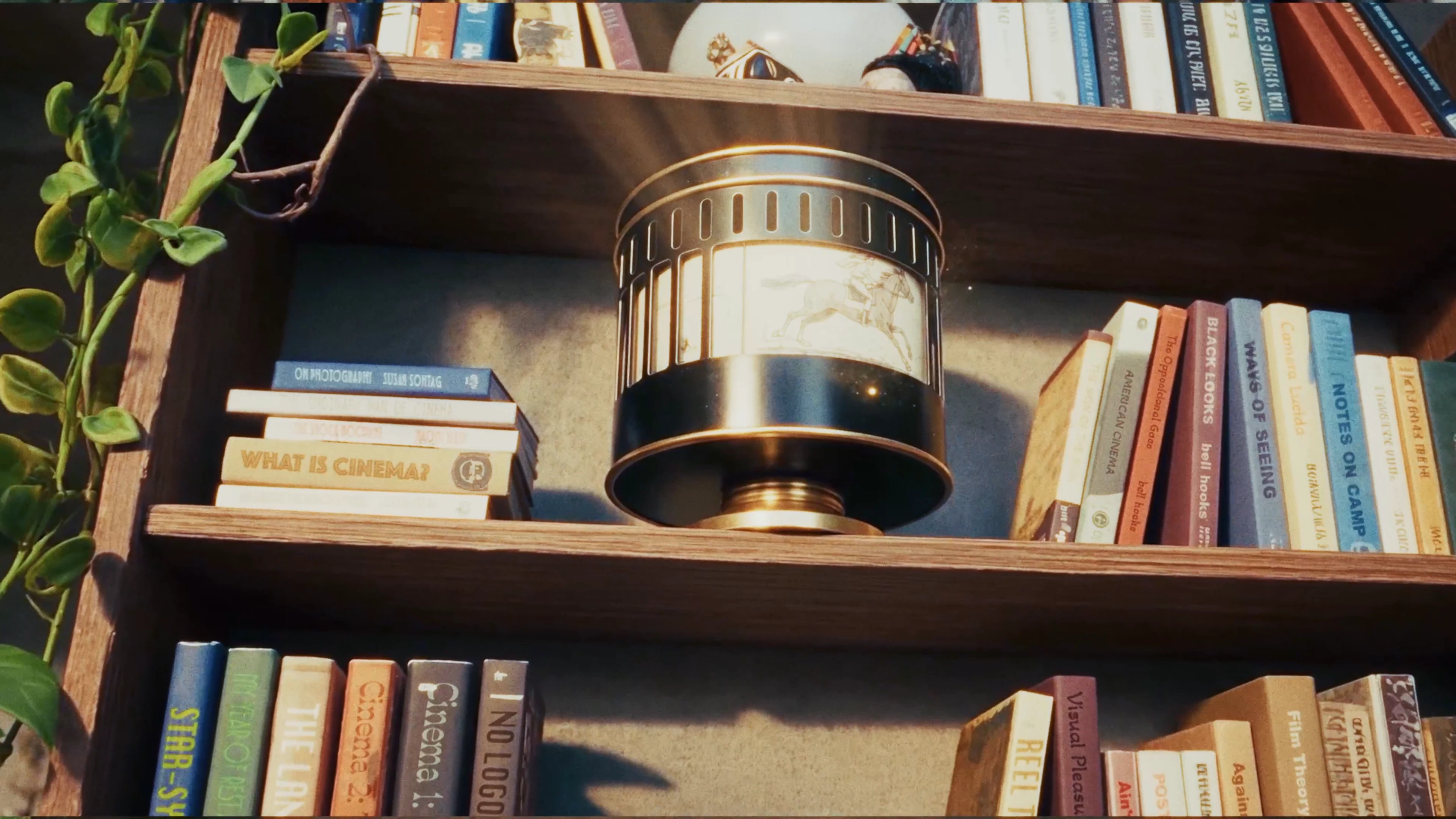
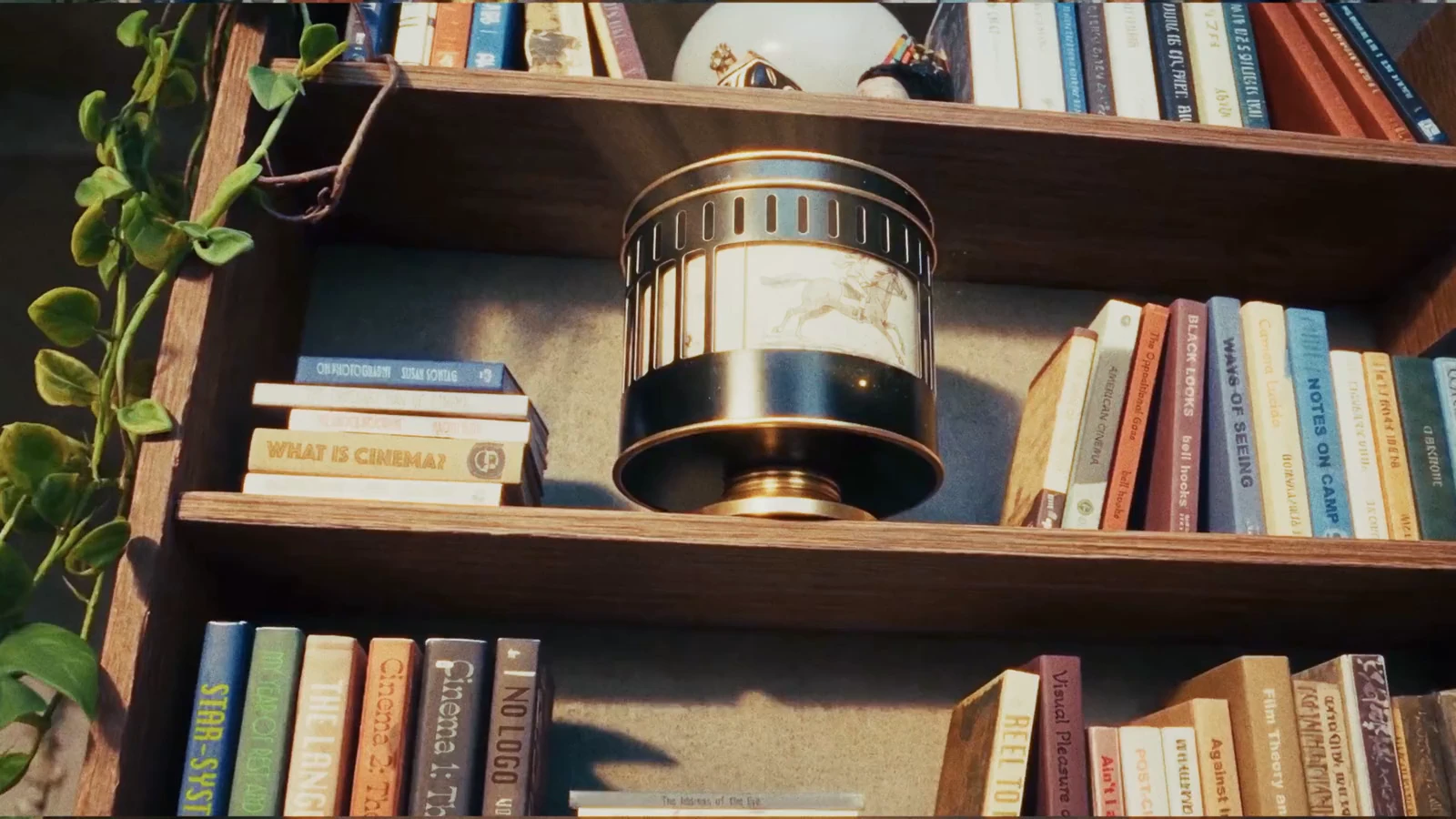
The bookshelf in Aaliyah’s room: the zoetrope surrounded by thirty-five invented film and technology titles
Design
In film

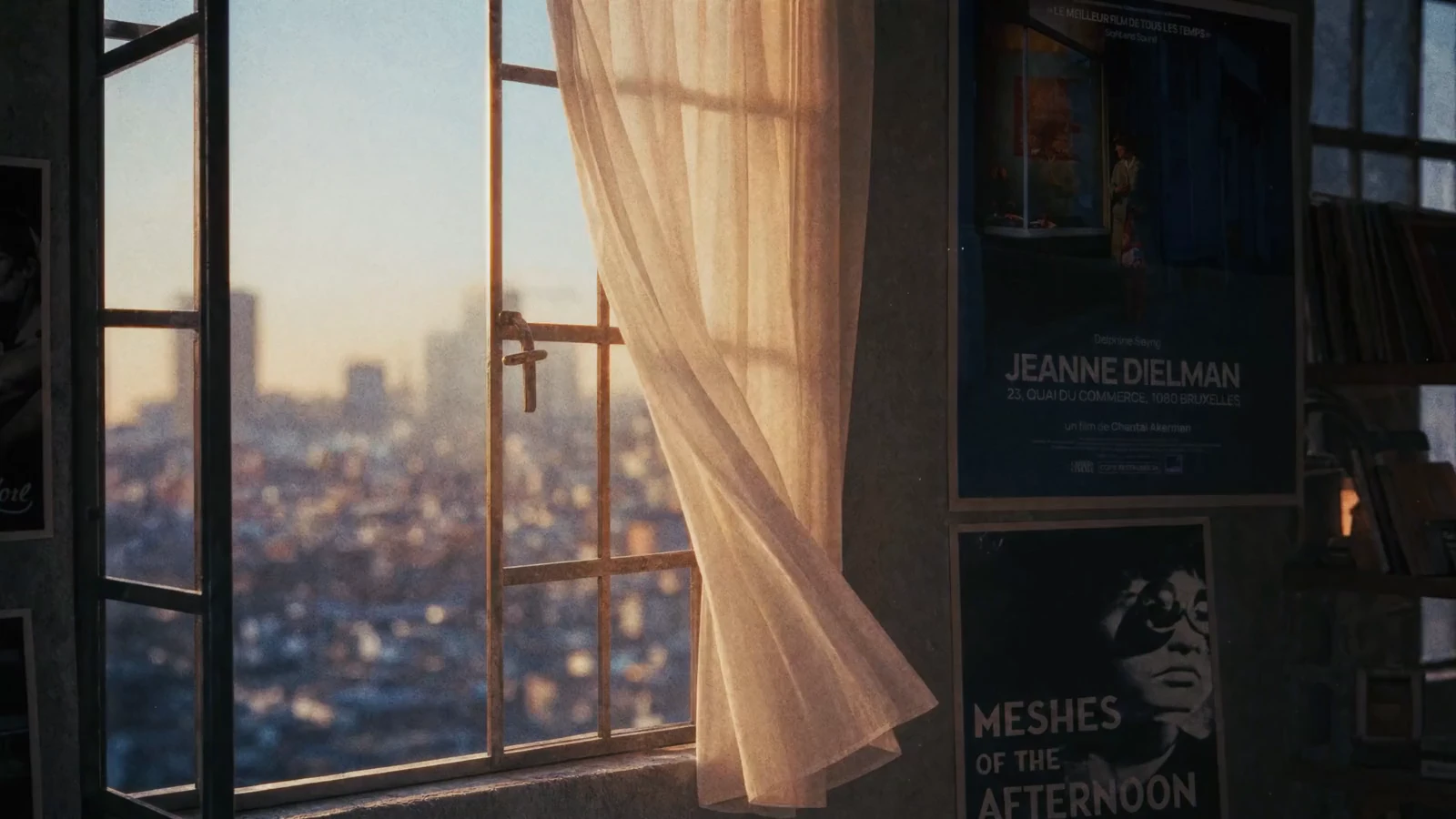
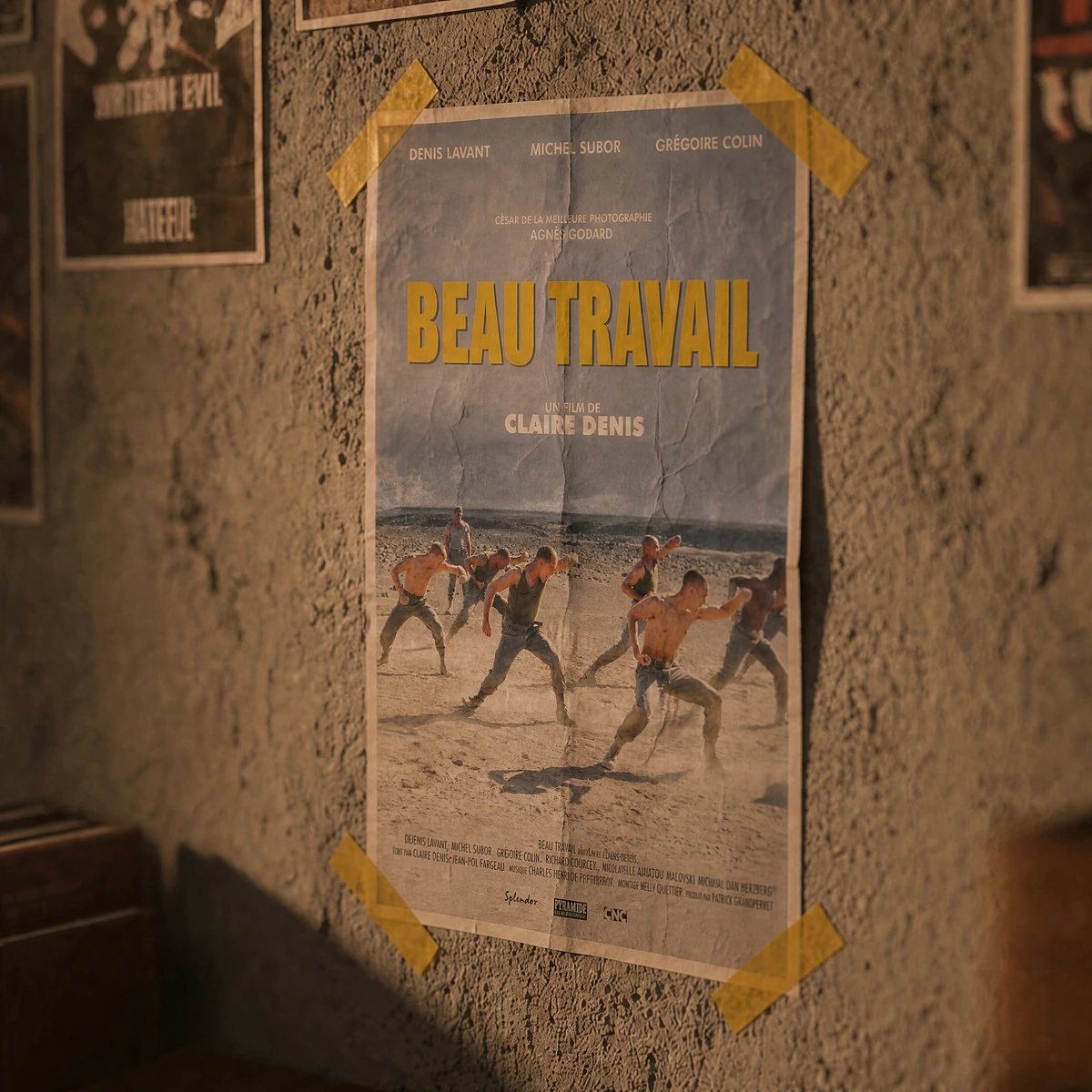
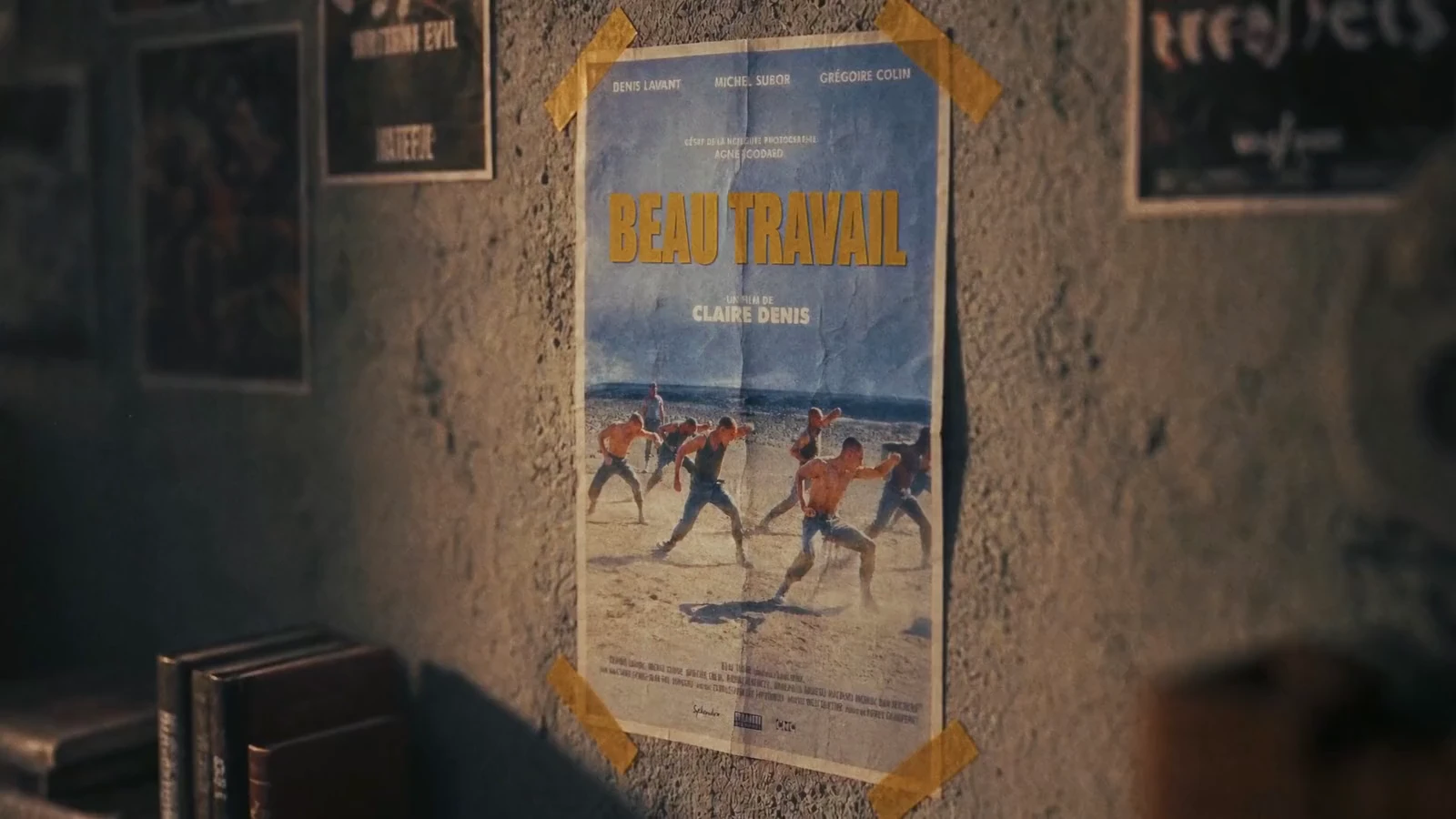
A room becomes somebody's room through what they keep in it. We chose the posters one by one, seventy percent of them films directed by women, and rebuilt the bookshelf as a real cinema bibliography, spine by spine.

Nobody will pause the film to read the shelves. But that is the difference between a room that belongs to someone and a set that was assembled.
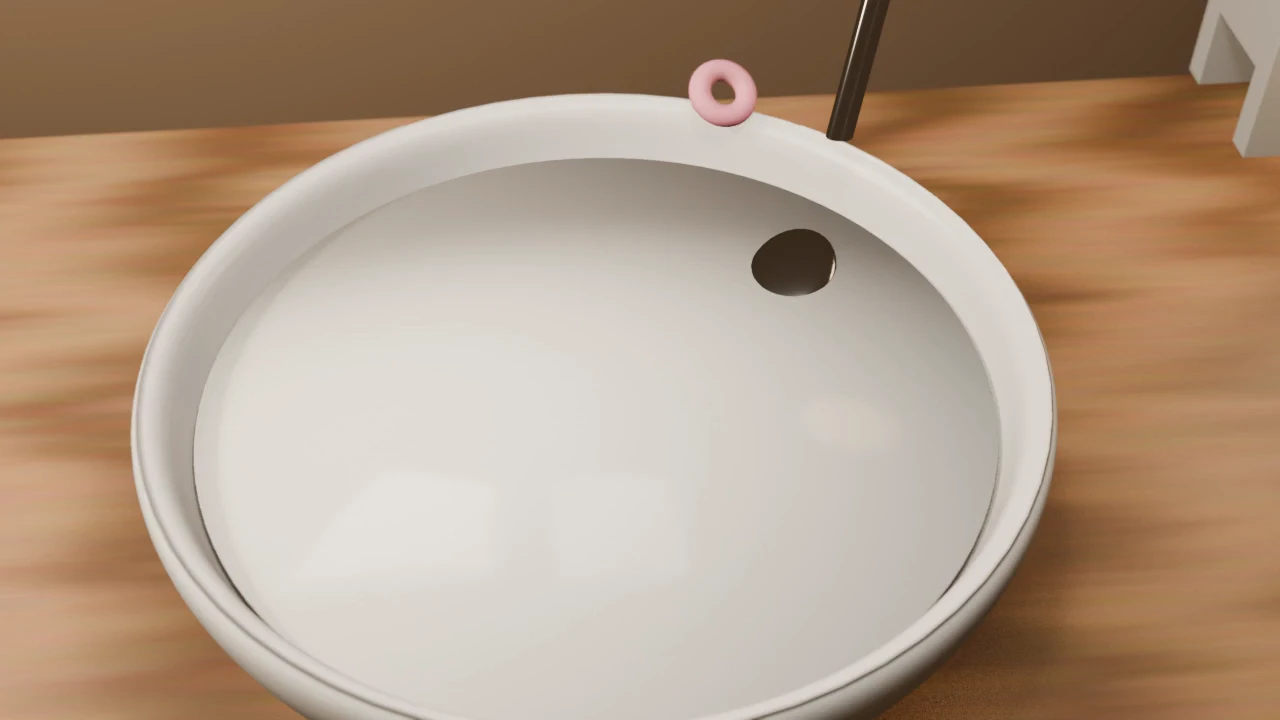
Design
In film

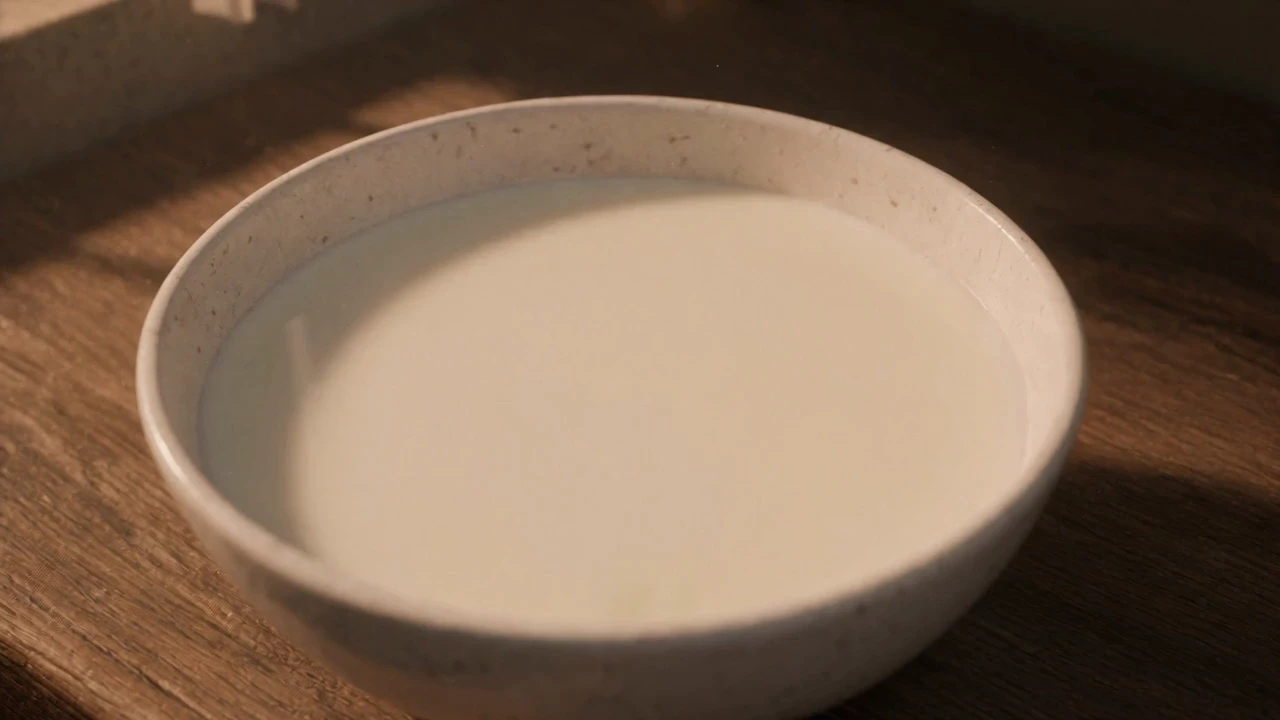
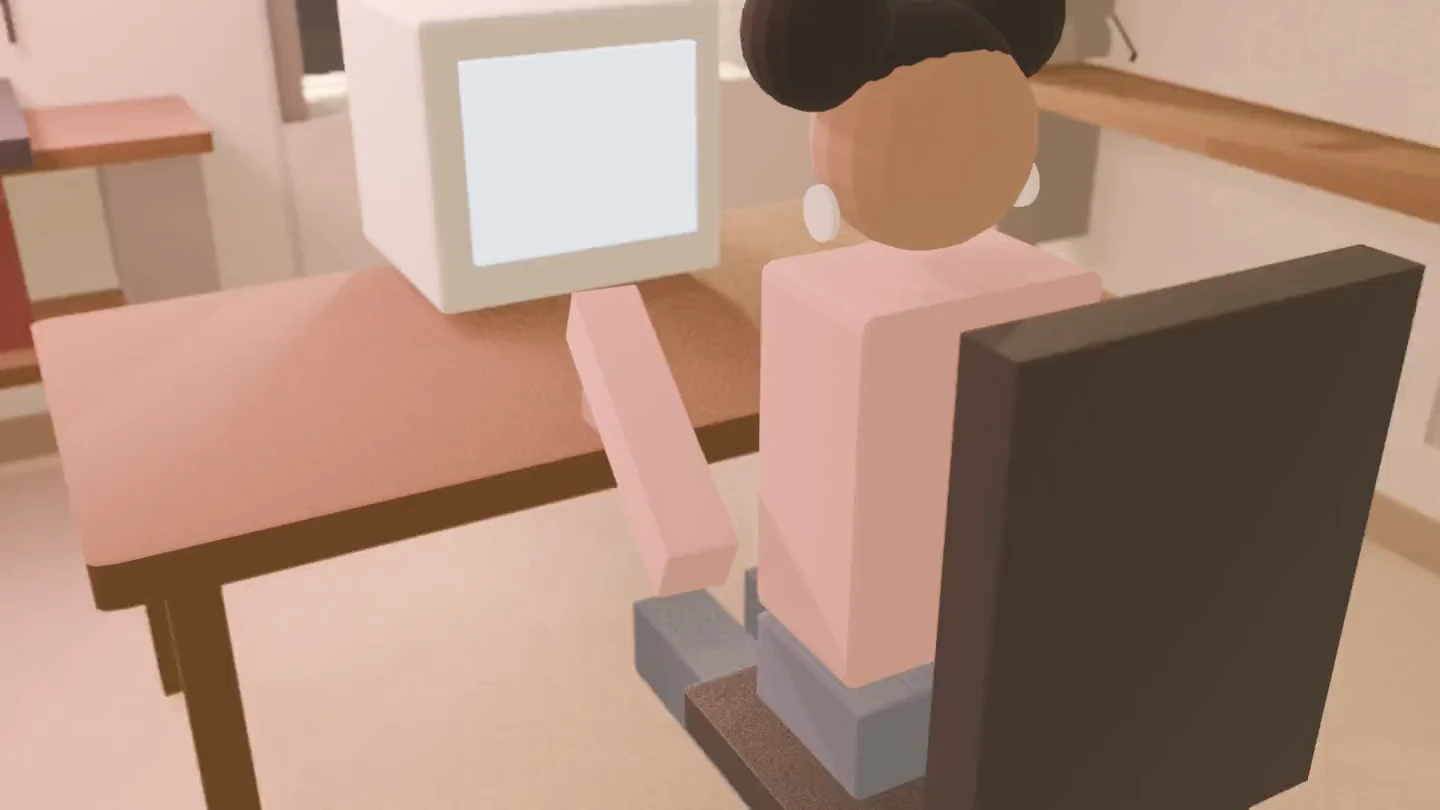
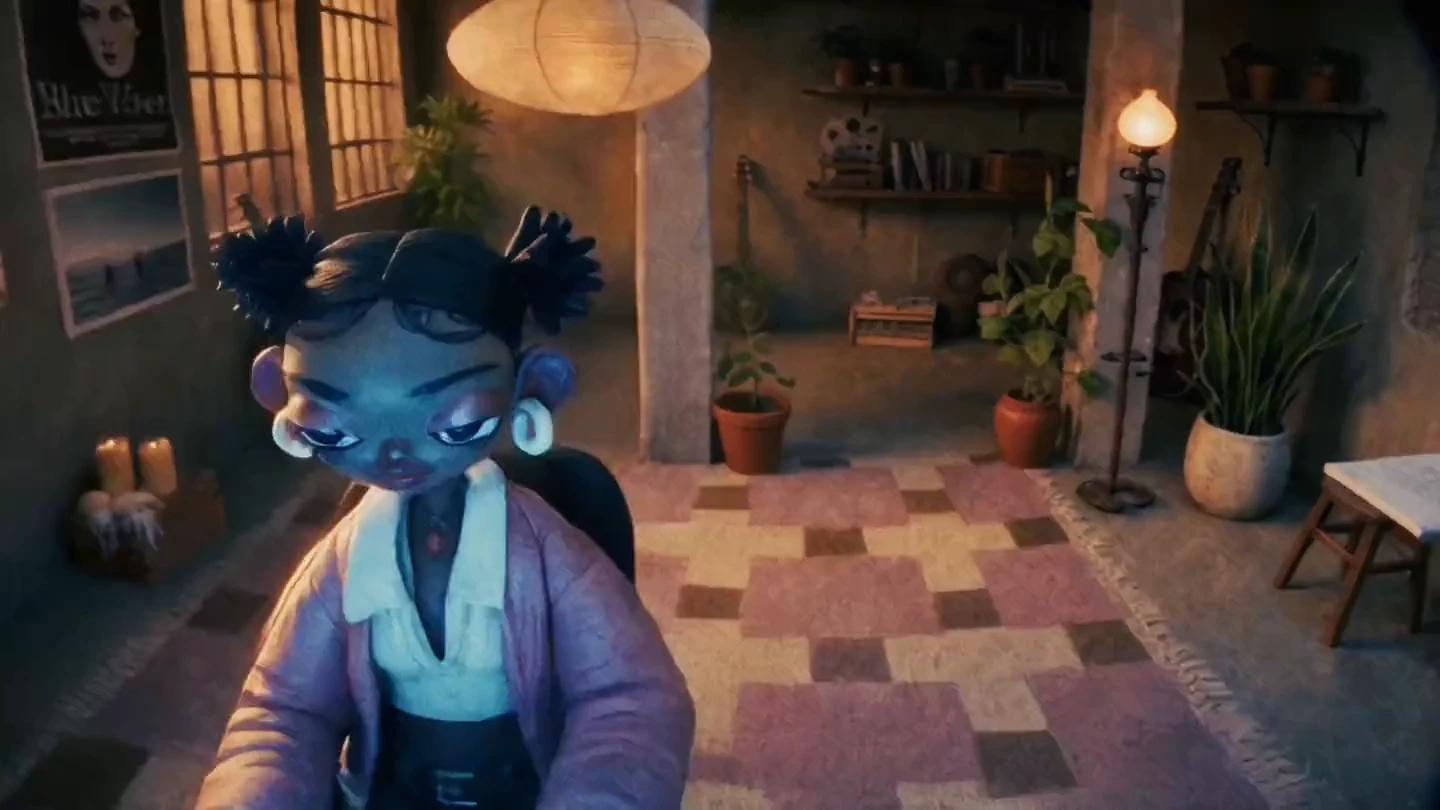
A model does not understand “orbit around her”. It understands what has to leave the frame, and in what order, so we built the move in 3D first and handed it over as reference.

The title was animated by hand, letter by letter. Hierarchy, spacing and timing are not decisions a tool makes for you.
Design
In film

[Credits heading to be completed]

[Arantxa: describe how the credits were designed and brought into the film.]

A MODEL WILL GIVE YOU A SHELF FULL OF BOOKS.
Deciding which books they are
IS STILL DIRECTION.

The space

A model can give you the shot.
It cannot give you the space.

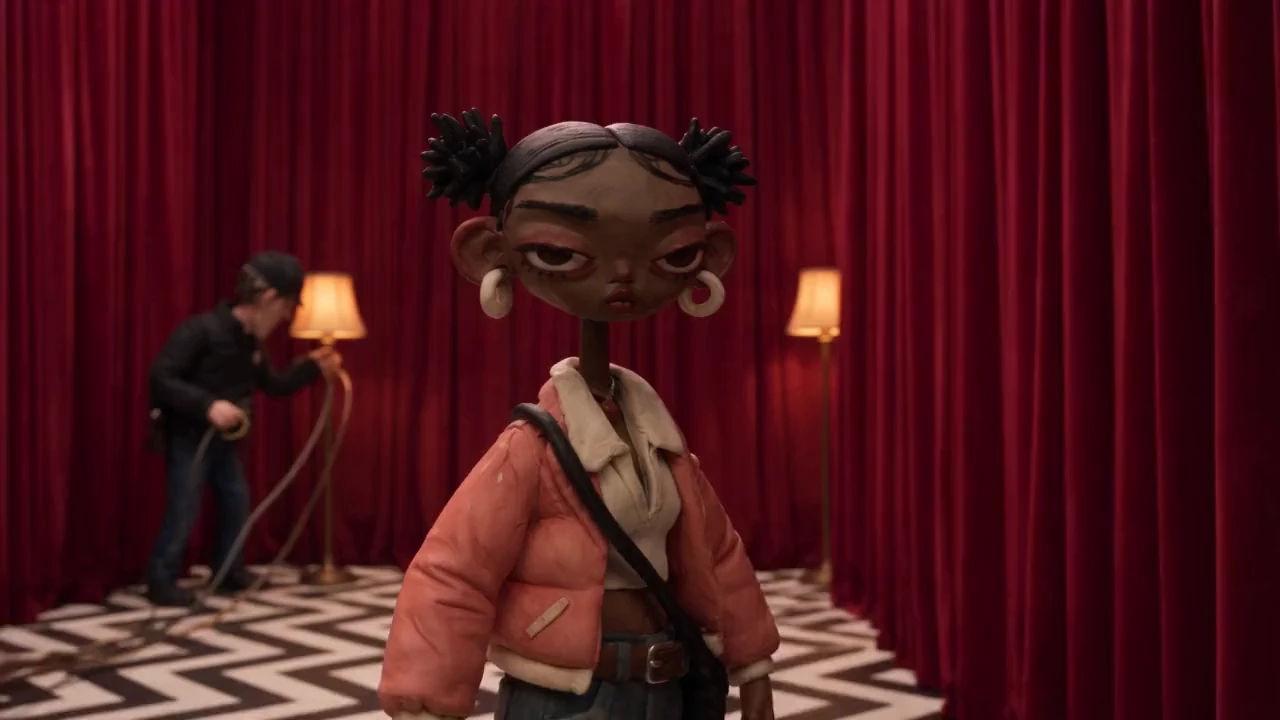
In this outtake, faces distort and a character appears twice. We mapped the Red Room so characters and cameras stayed in the right place.
PROMPT
PERFORMANCE
THERE IS NOBODY TO GIVE THE NOTE TO.
YOU GIVE IT TO THE TEXT, AND THE TEXT
CARRIES EVERYTHING A DIRECTION WOULD.
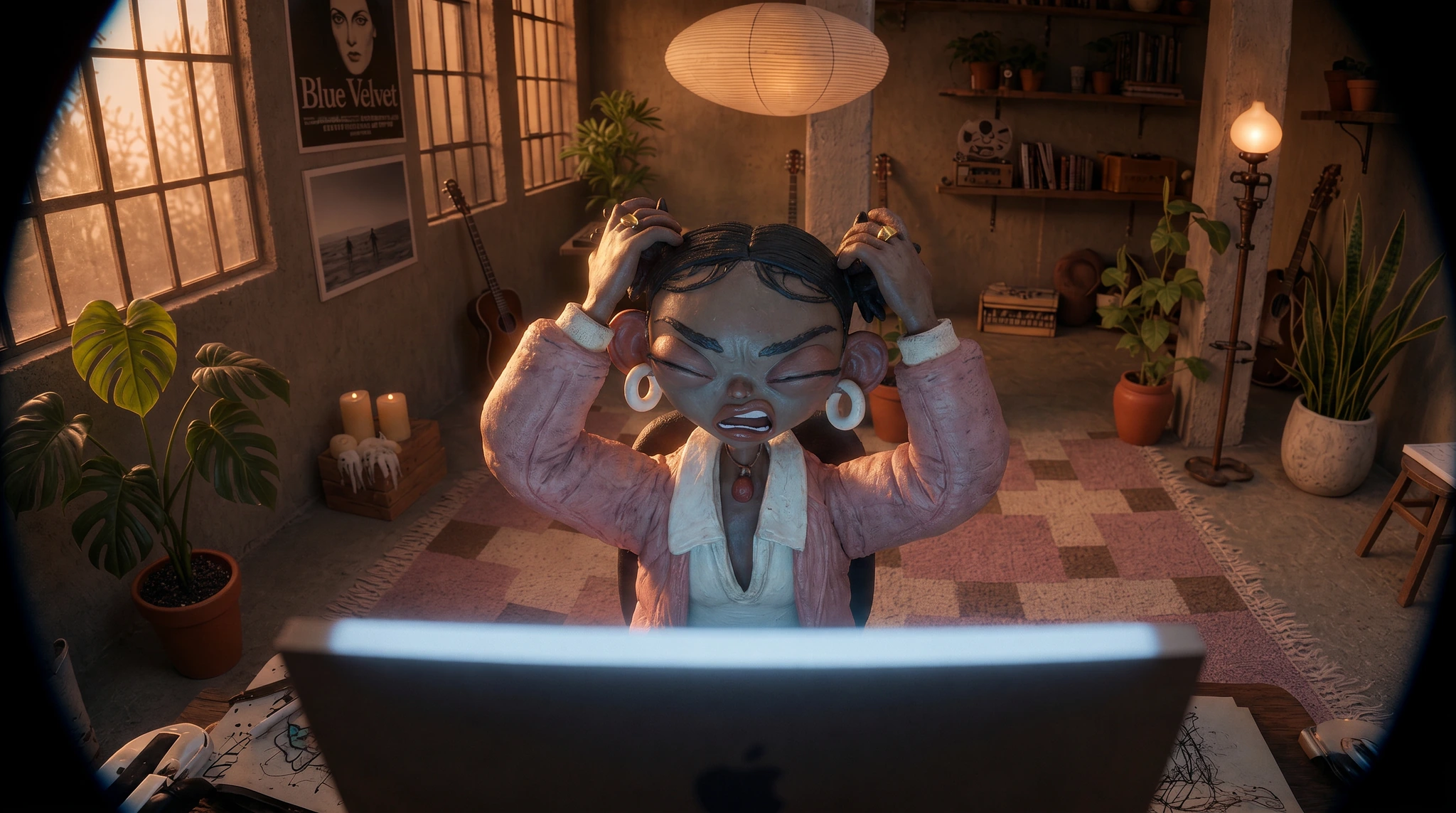
Describing an emotion gets you a neutral face. What works is subtext: where each character is coming from, what they want, what they are hiding.

Aaliyah at her desk with both hands pulling at her hair, screen light on her face
Design
In film
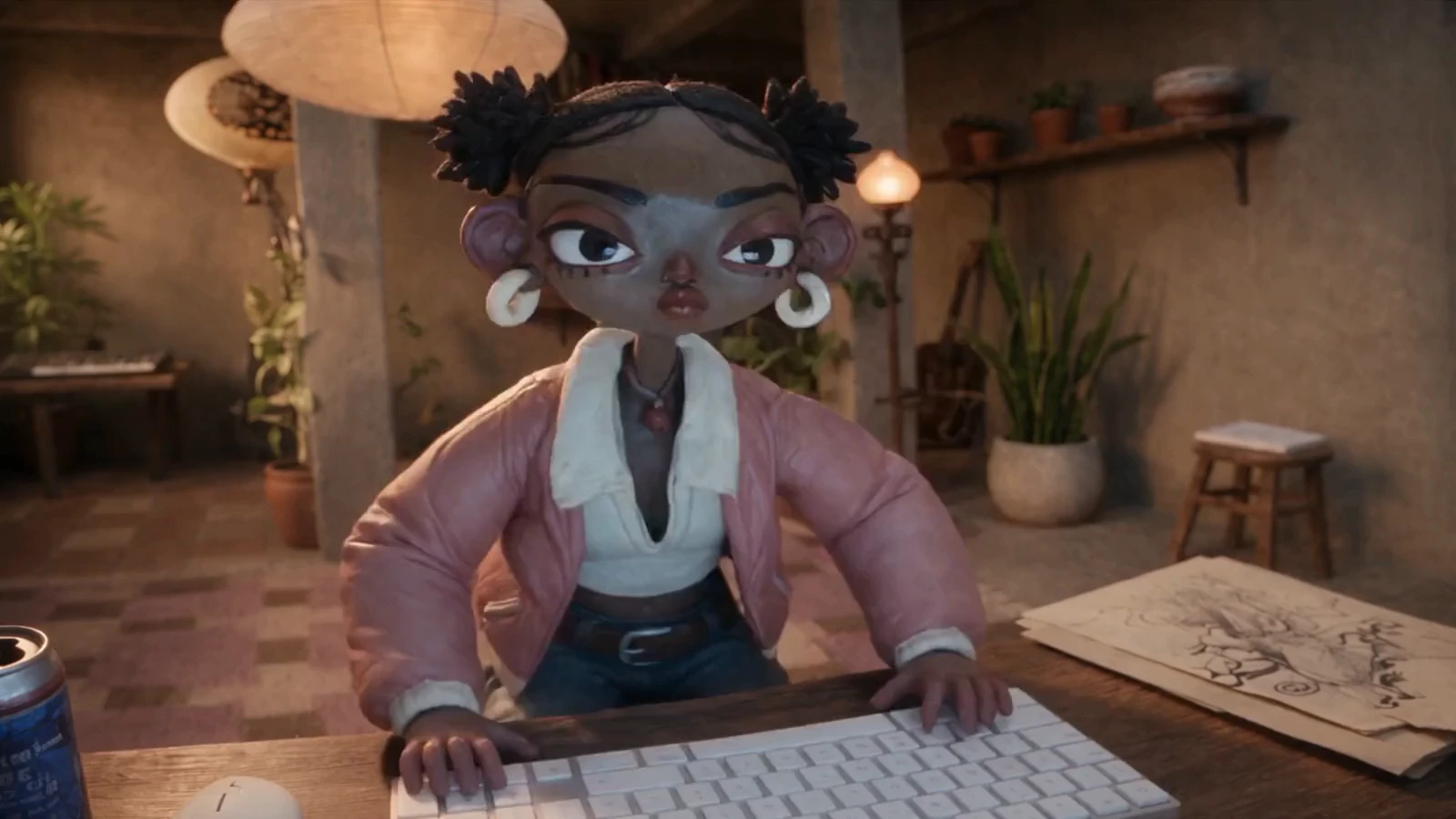
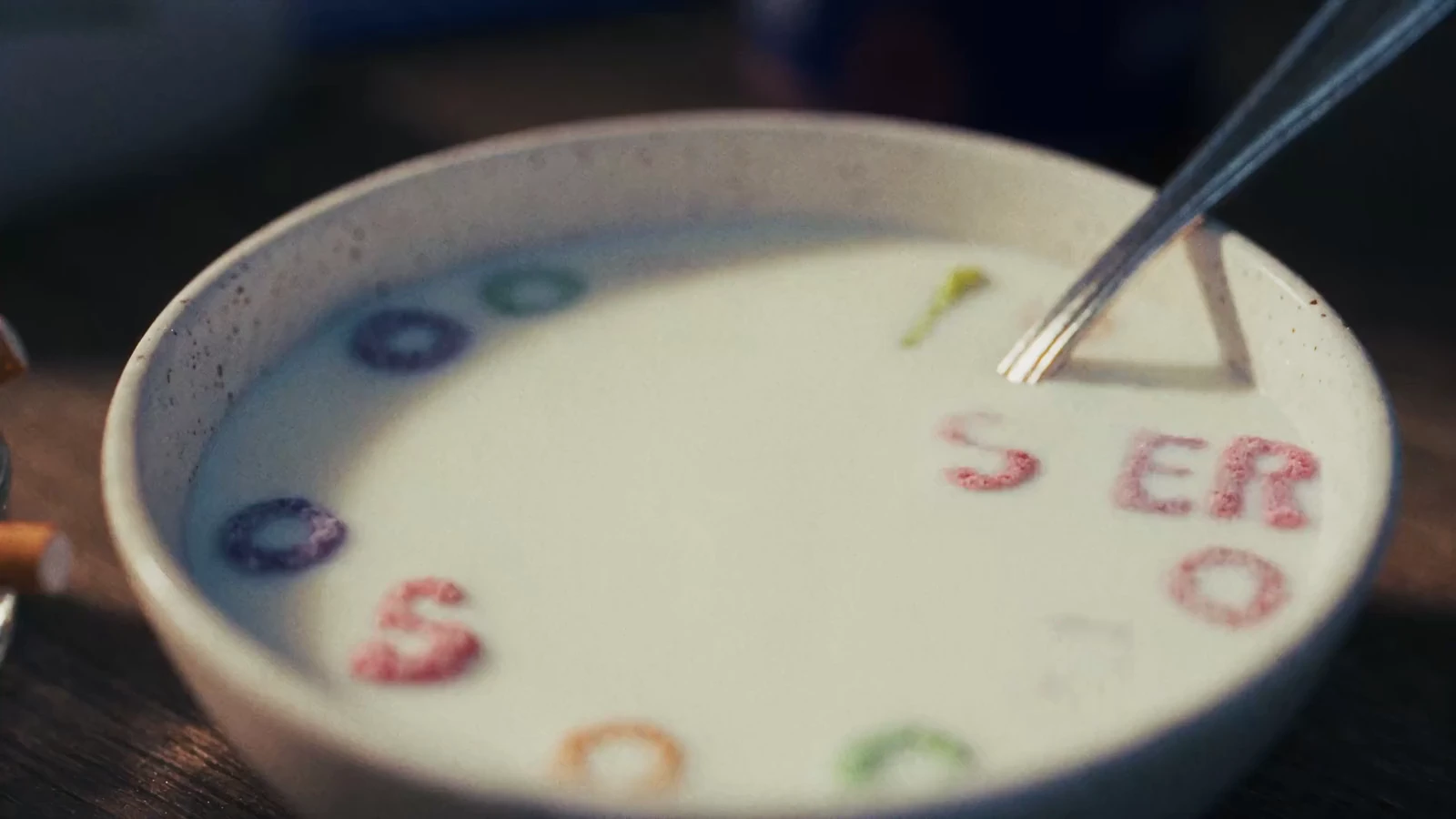
The film opens on someone who has nothing to say and a client who wants it by tomorrow, and that had to land in about four seconds without a line explaining it. Describing an emotion doesn't work. "Frustrated" gets you a neutral face. What works is giving her something physical to do that only a frustrated person would do: hammering the keyboard, the cigarette already lit next to the cereal, the two-finger gesture at a screen that has already hung up. The other half of it is what she is not doing. No sigh, no head in hands, no looking at camera for sympathy. She is annoyed the way people are actually annoyed at work, which is quietly and while doing something else.

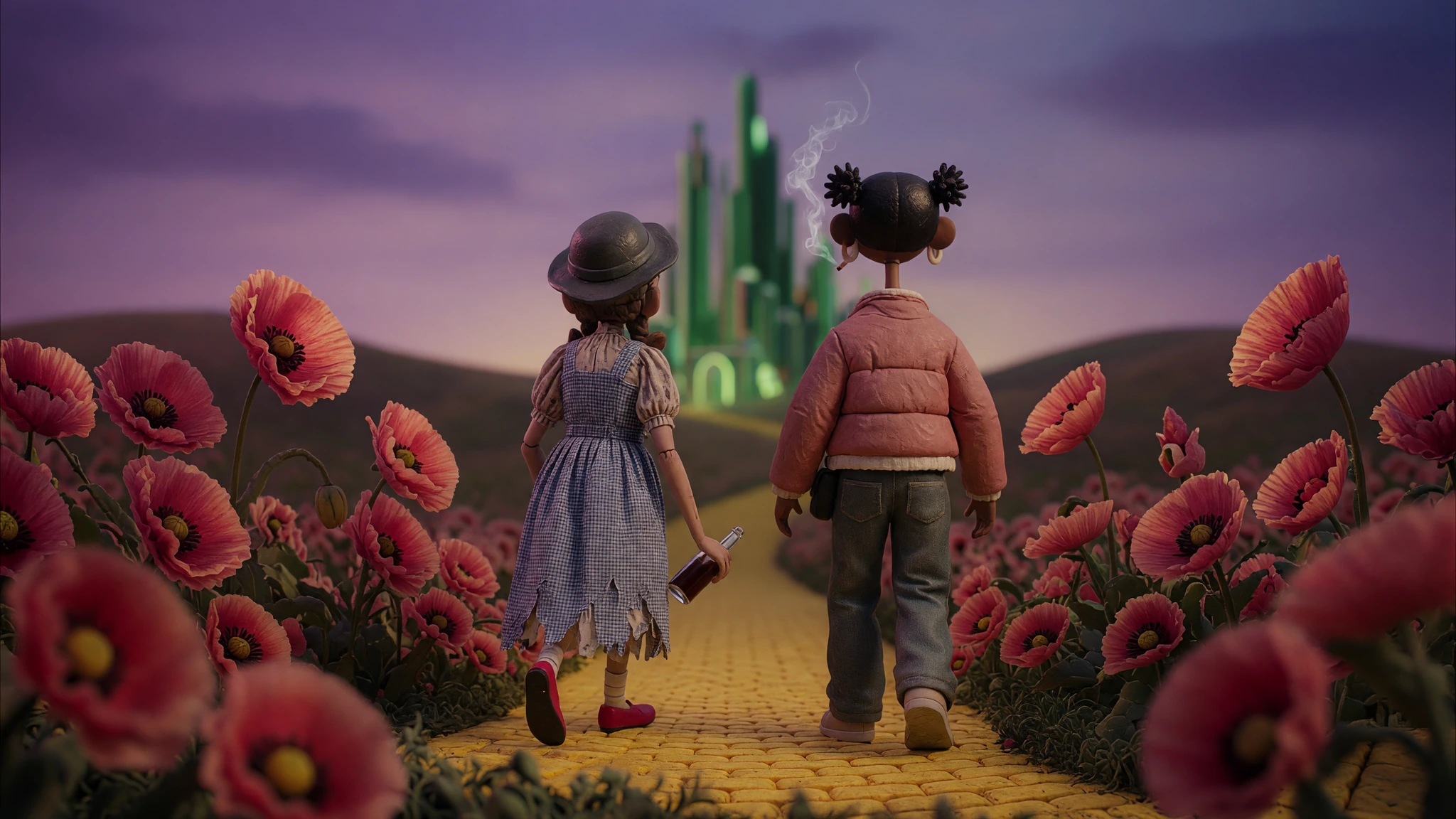
Judy and Aaliyah from behind on the yellow brick road, the Emerald City ahead, bottle in one hand and cigarette in the other
Design
In film

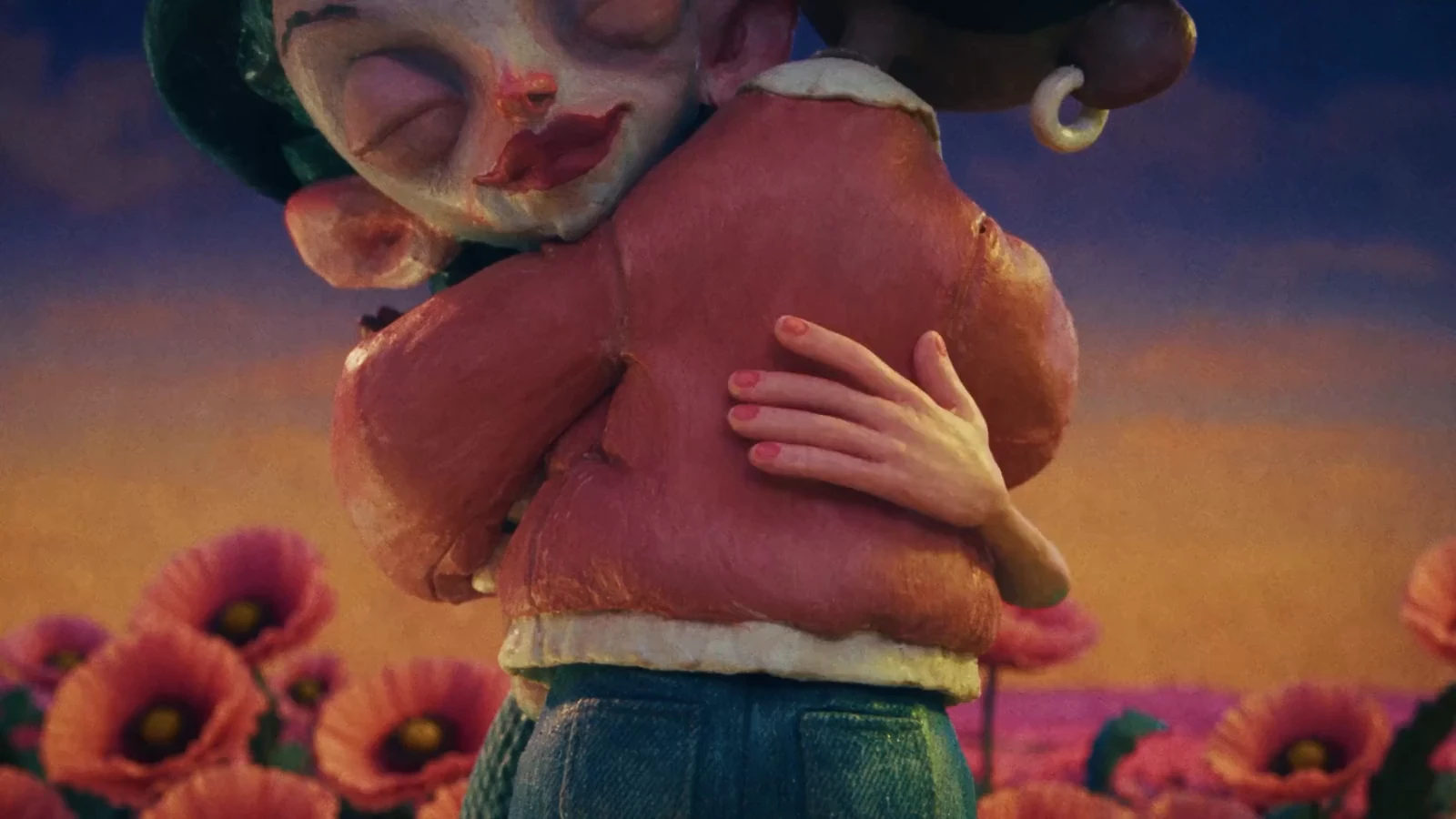
Judy is the one who will not let go. She hugs Aaliyah goodbye and lifts the lighter from her pocket while she does it, smiles about it, and ends up flat on the yellow brick road lighting up with it. None of that is in the dialogue: it is in what her hands are doing.

So the note goes in before generating, and it is not “warm” or “sly”. It is where each of them is coming from, what they want from the other and what they are keeping to themselves. An emotion on its own is too broad; a relationship gives the movement something to respond to.
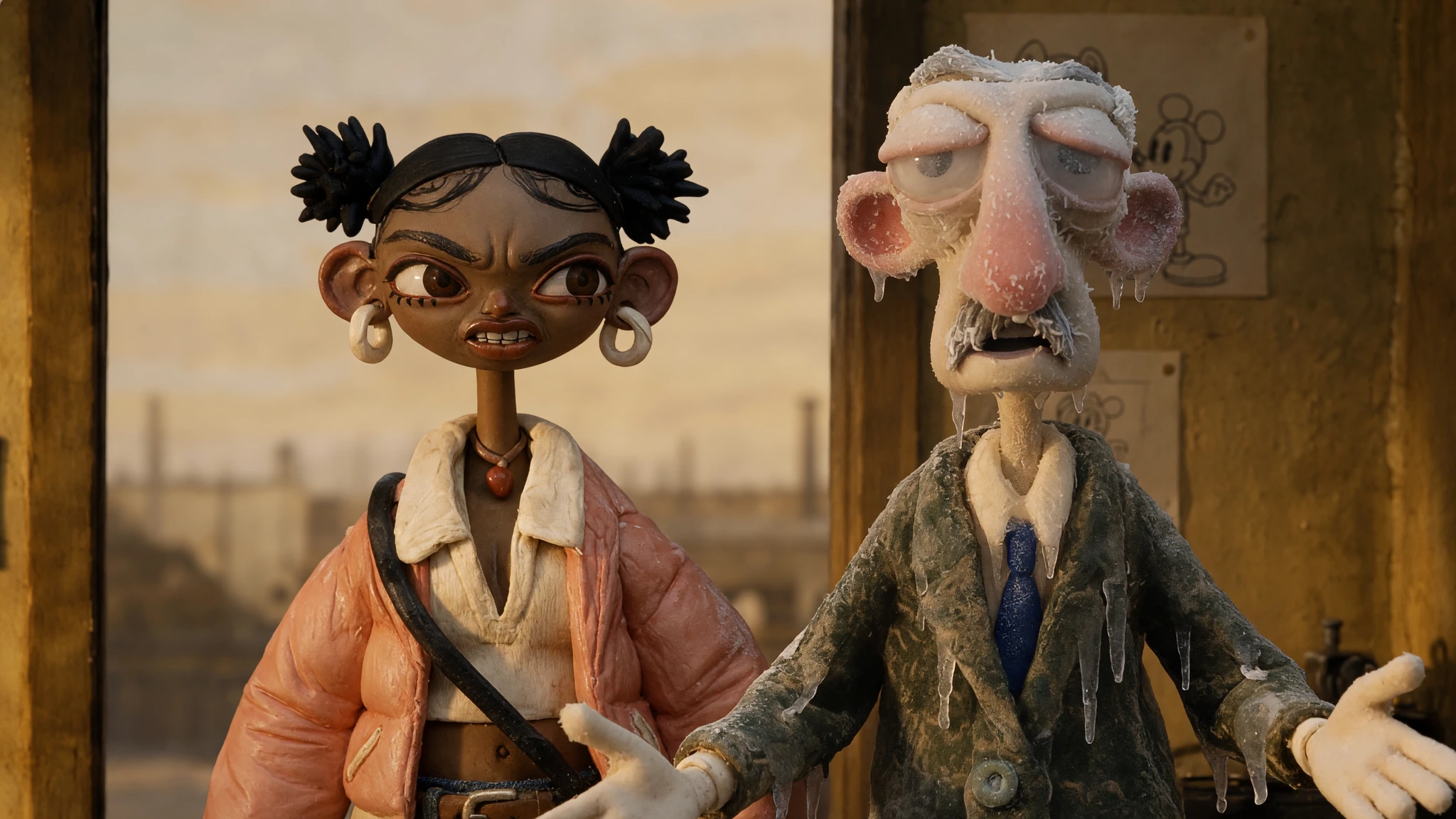
Aaliyah face to face with the frozen studio boss, both mid-gesture
Design
In film

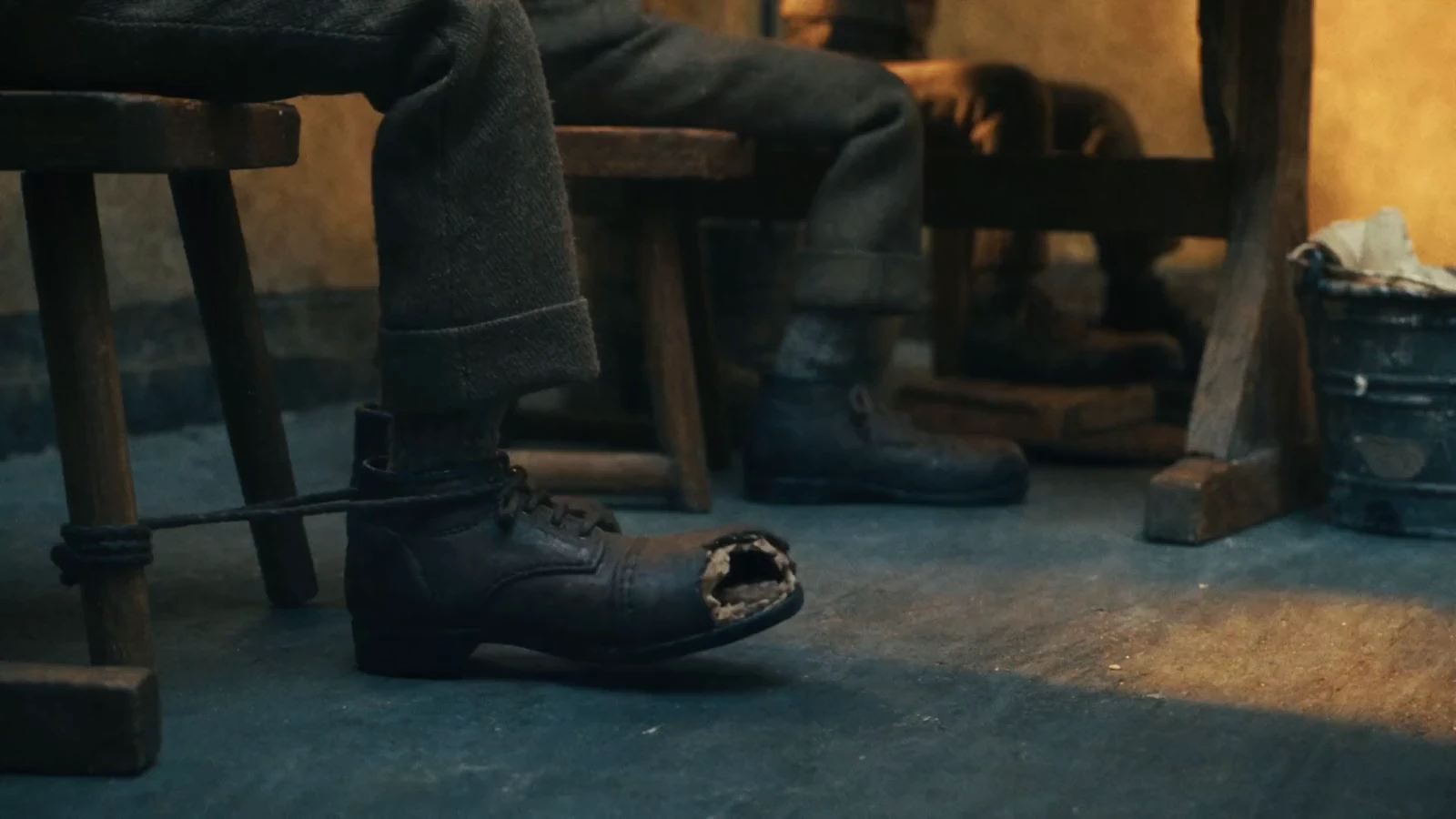
Aaliyah walks into the animation studio and the camera finds the floor first: rows of stools, and a chain on every ankle. She does not say anything about it. The next shot is her face working out what she is looking at.

Anger written as “angry” comes back as a scowl. What works is giving her something to receive: the shot before decides the performance, and the cut decides how long she has to let it land.

Nobody can be given a note. There is no actor to talk to between takes, no one to pull aside and tell what the scene is really about. So the note goes into the text.
Where each character is coming from, what they want, what they are hiding. Written down, before anything is generated, in the same words every time.
Do that and the performance shows up on its own: how close they stand, who leans, who breaks the hug first. Skip it and you get very good-looking people feeling nothing.

Sewn together

Each shot is generated on its own. We corrected the details by hand to keep the film consistent from one frame to the next.
1
2
THE CUT
3
4
THE FILM WAS FOUND
5
IN THE EDIT, NOT IN THE SHOTS.
6
7
We replaced the opening wide shot
8
with details of her room: the fan,
9
posters, window, cereal and ashtray.
10
The boss's voice arrives before his
11
face, and hers comes last.
12
13
Sequences that added nothing were
14
cut, keeping the film under ten
15
minutes.
16
17
Three looks were graded by hand in
18
DaVinci. Skin saturation at 0.15 made
19
the Red Room feel lit, not filtered.

THE CUT

THE FILM WAS FOUND IN THE EDIT, NOT IN THE SHOTS.

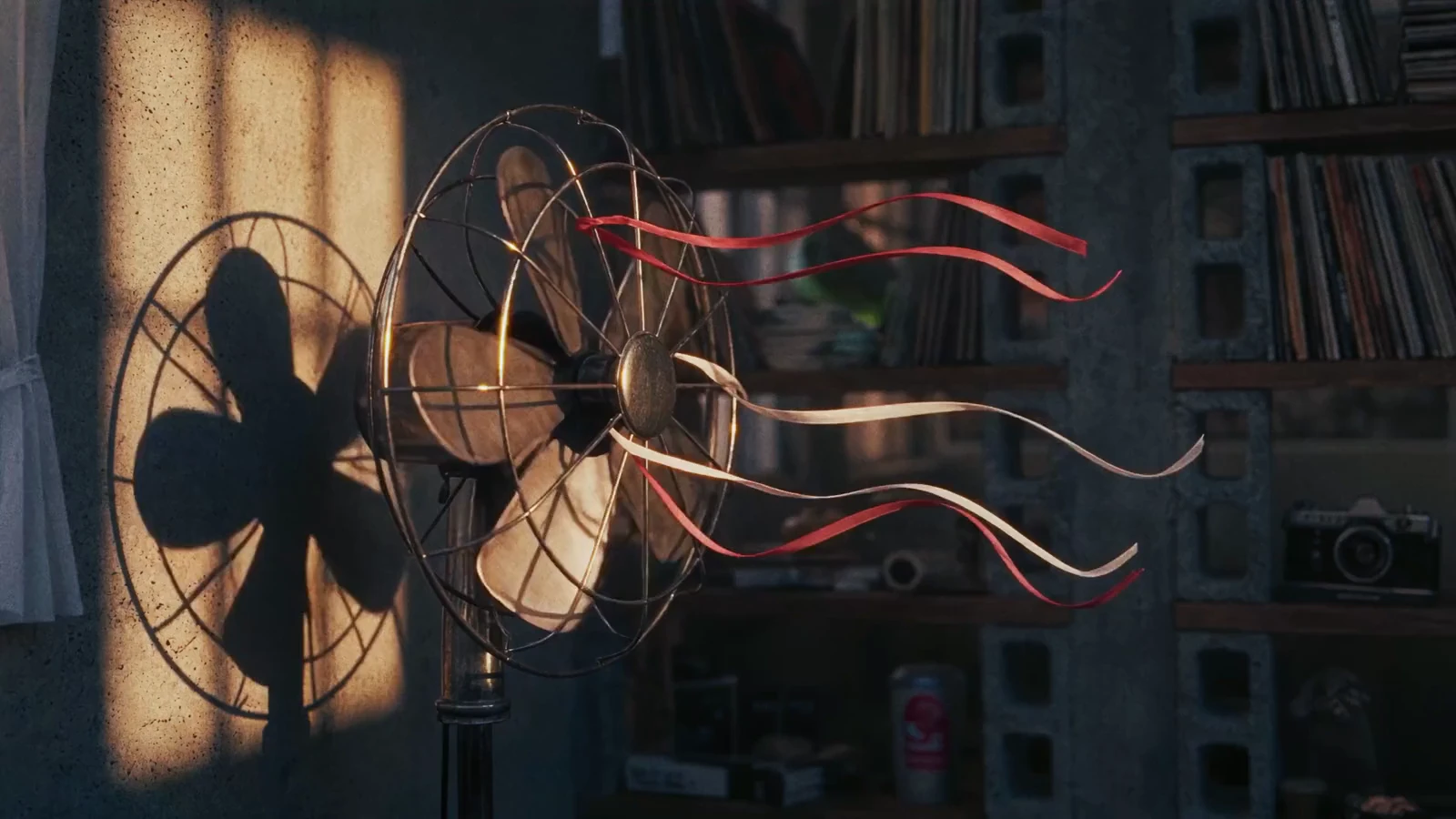
We replaced the opening wide shot with details of her room: the fan, posters, window, cereal and ashtray. The boss's voice arrives before his face, and hers comes last.

Sequences that added nothing were cut, keeping the film under ten minutes.

Three looks were graded by hand in DaVinci. Skin saturation at 0.15 made the Red Room feel lit, not filtered.
Olmo designed the sound. The edit decides when it enters: room tone and keys first, music only when needed. Credits and grain were finished by hand.

We also cut a line explaining the trick. It made the machine sound like the filmmaker. Leaving it unsaid gave the ending more room.

NOTHING HERE
was decided by the tool.
THE FILM IS THE CUT.
9:12
The longest thing we've made
300
Bad versions of one shot before the good one
720
1080
Shots redone when the resolution arrived
The time didn't go into generating. Generating is fast; that was never the problem. It went to three places, none of them the one people imagine.

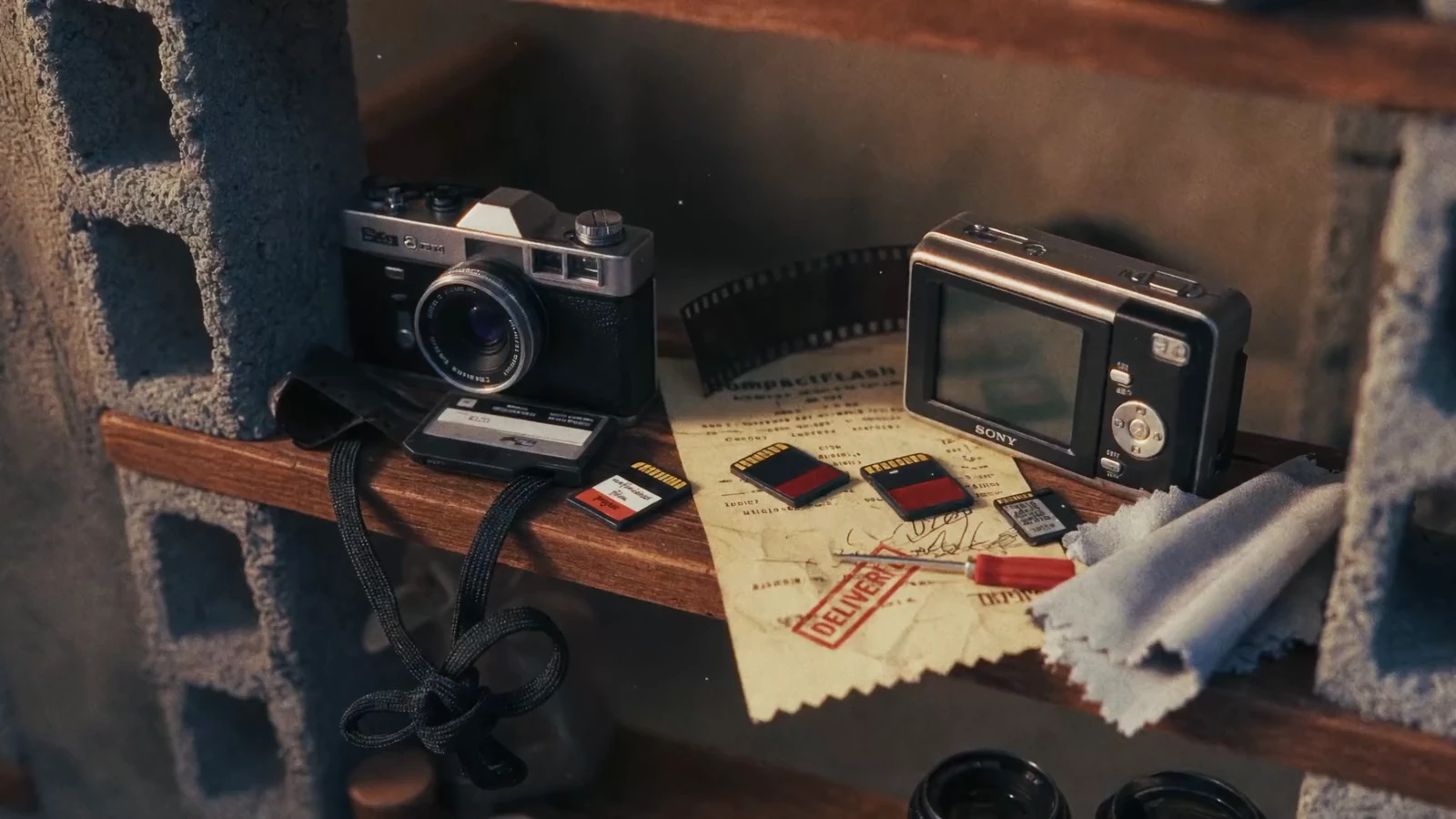
Continuity. The bag, the coffee maker, the clips, the reel. Sewing together a film generated in pieces that don't know each other.

Resolution. A good part of the film was generated at 720p, because that was what existed when we started. Then 1080 arrived and shots had to be redone. Upscaling saves nothing: when a frame holds a lot of information, a wide shot of a room full of things, the upscaler invents and comes out worse than the original.

Iteration. On one shot, three hundred bad versions before the good one. That is not a figure of speech. Multiply it by every shot in nine minutes and there is the time.
THESE TOOLS ARE VERY GOOD
at doing what you ask them badly.
A BEAUTIFUL SHOT, IMMEDIATELY.
What they don't give you is
THE JUDGEMENT:
whether that shot goes before or after,
WHETHER IT'S SURPLUS,
whether she was carrying the bag,
WHERE THE LIGHT FALLS.
All of that is still
DIRECTING, THE SAME JOB
it always was.
What has changed is where the bottleneck is. It used to be budget and access. Now it's knowing what you want to say, and nobody has made that cheaper.
References
What each world borrows
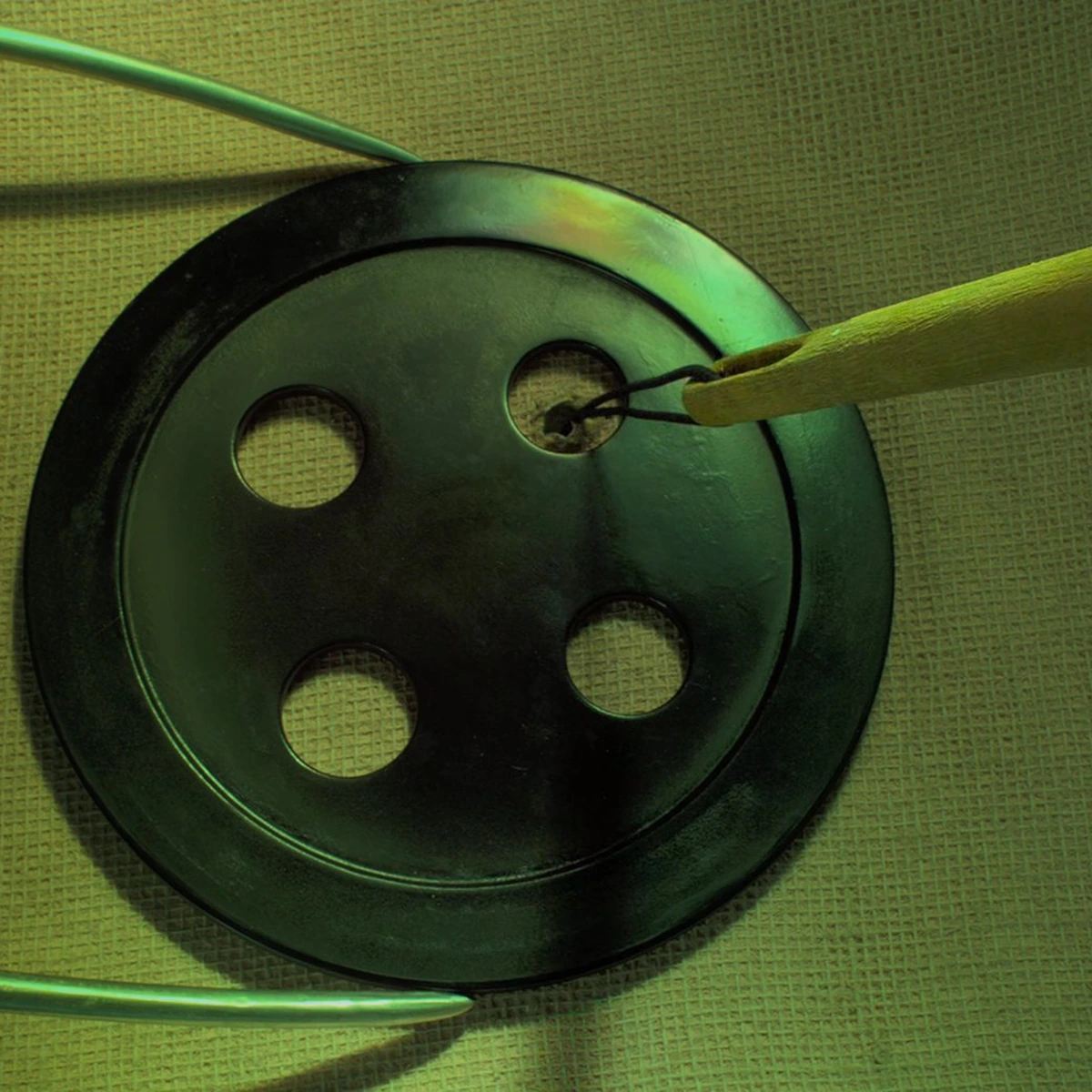
Coraline: a button being sewn on in close-up, the weave of the fabric visible
Coraline
The texture
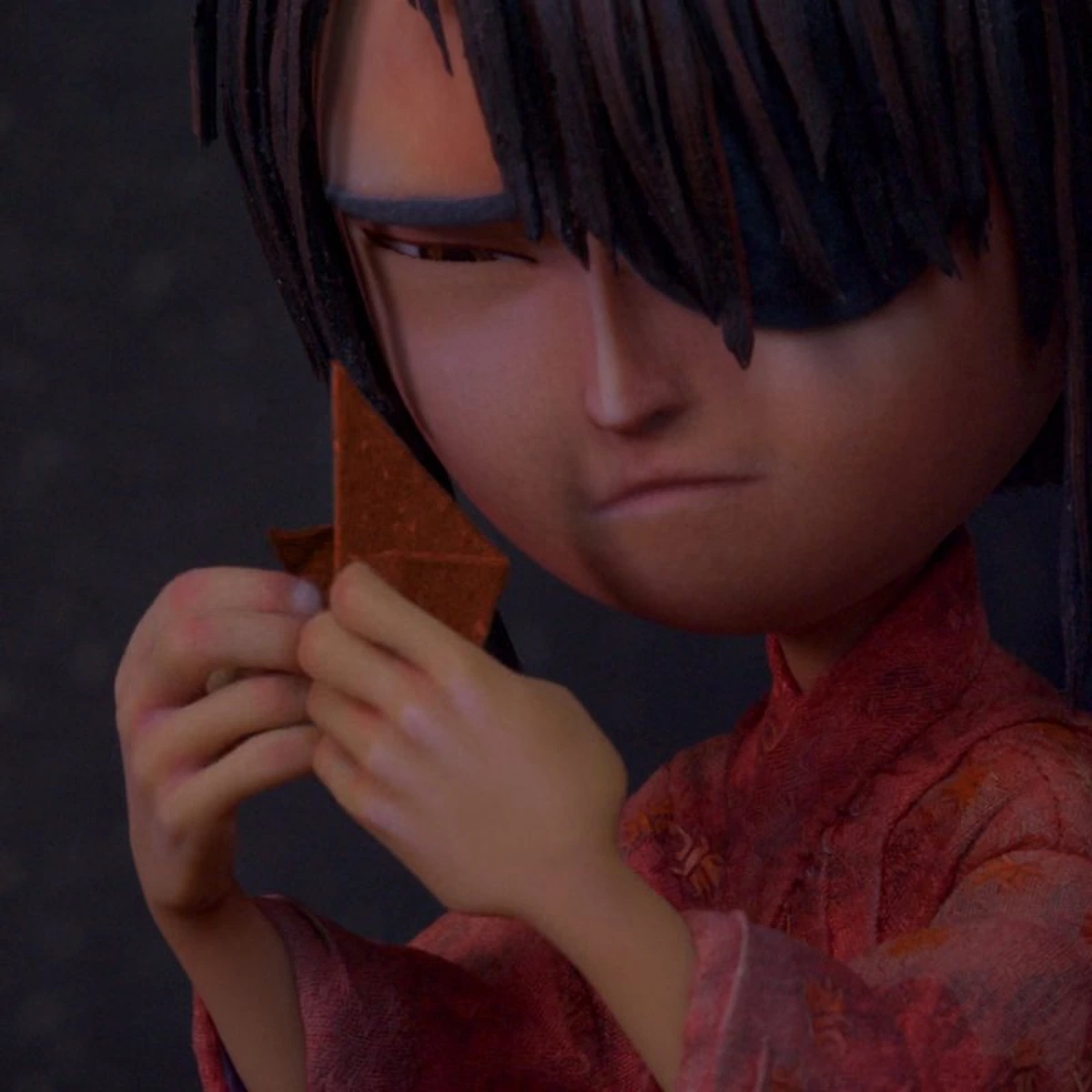
Kubo and the Two Strings: Kubo folding a sheet of paper by hand
Kubo and the Two Strings
Made by hand
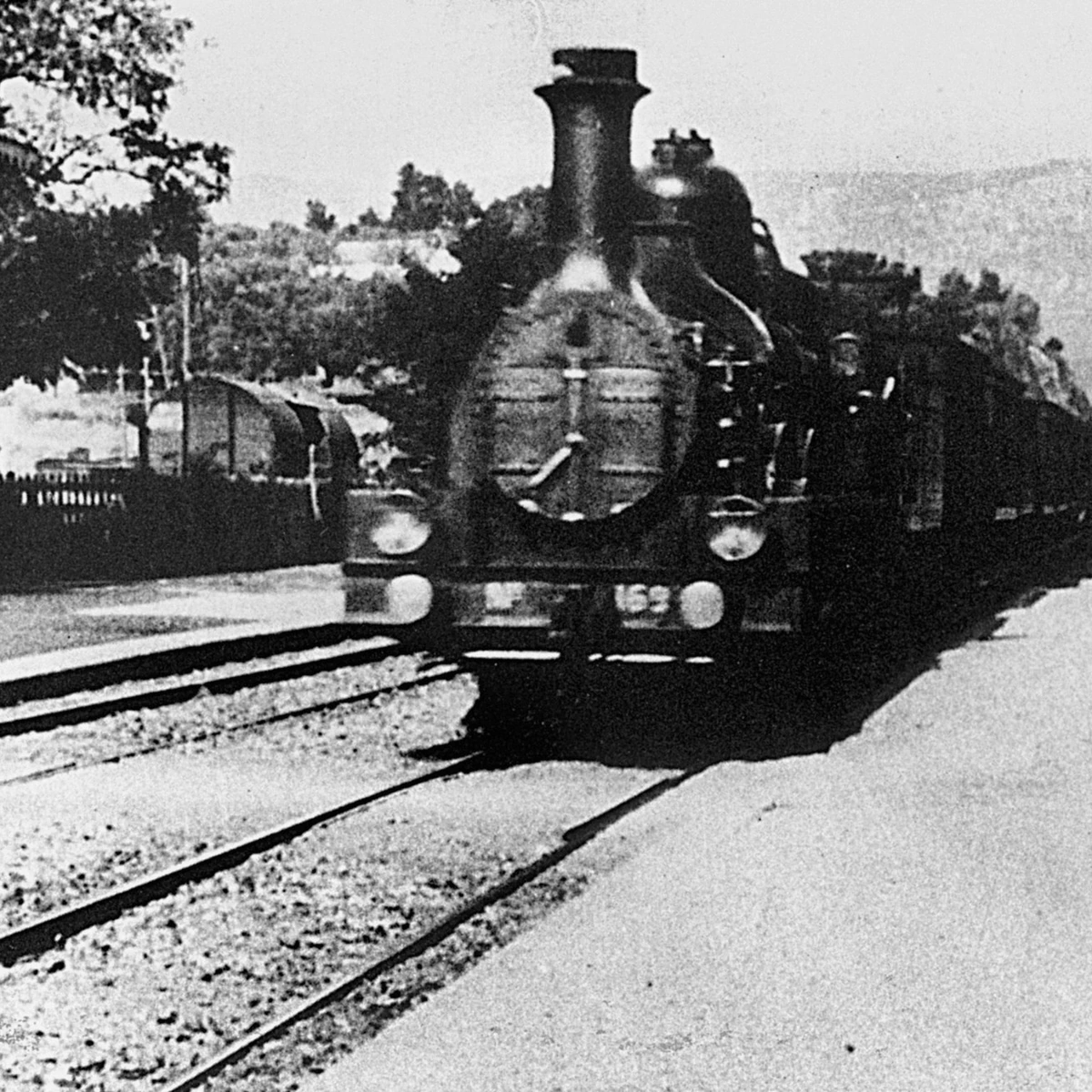
The Lumière brothers: a train arriving at La Ciotat station
Lumière
The opening
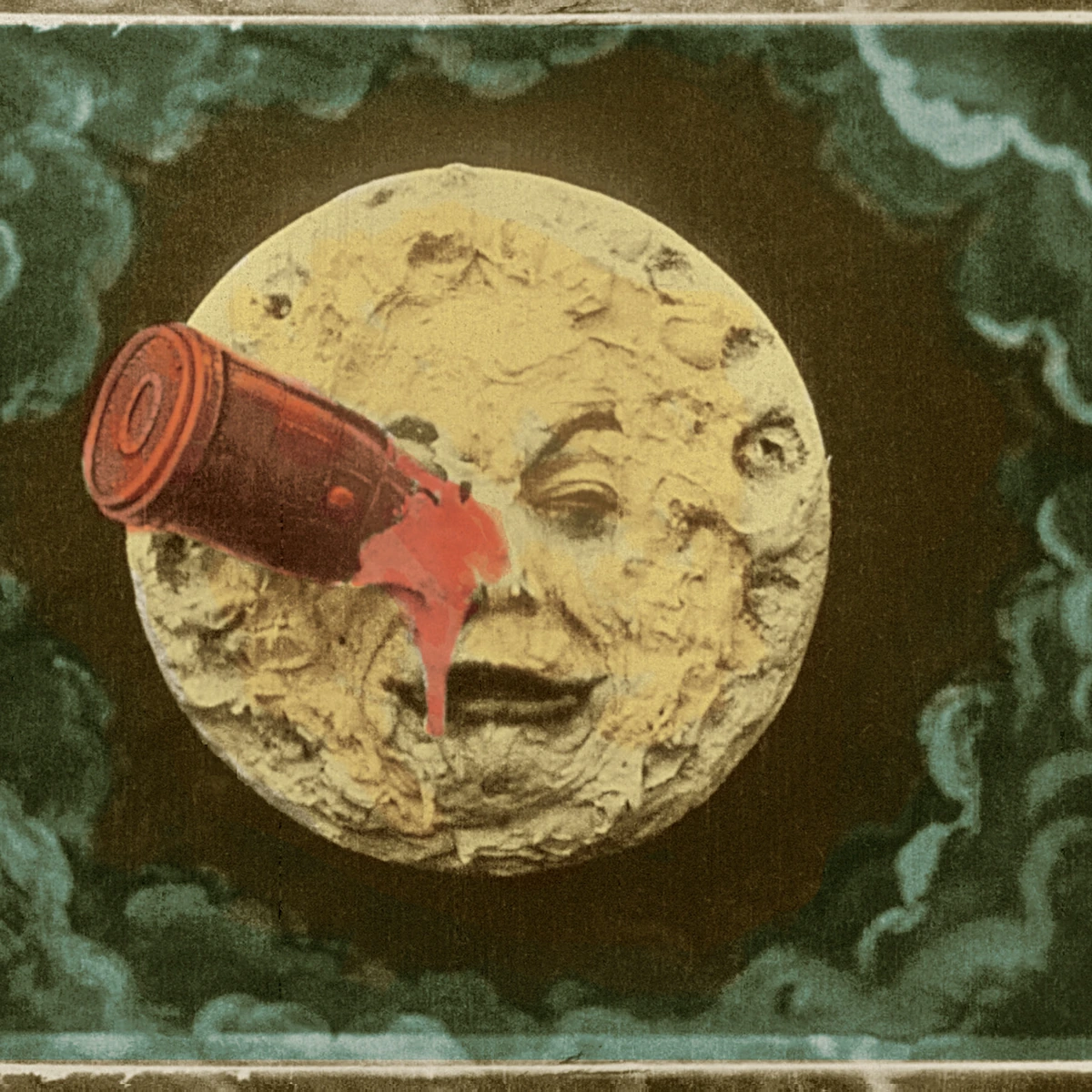
Méliès: the rocket lodged in the eye of the moon, hand-coloured
Méliès
The trip to the moon
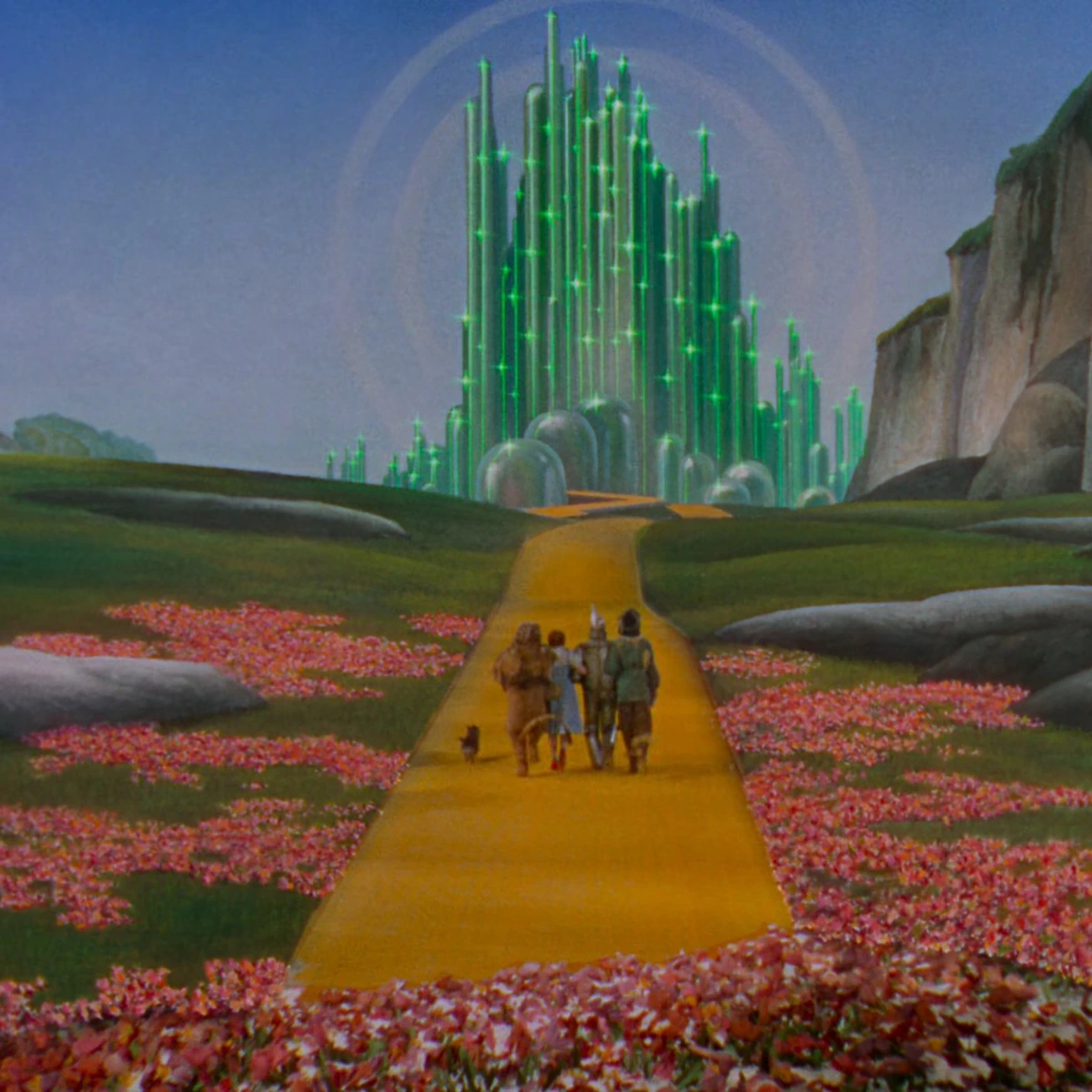
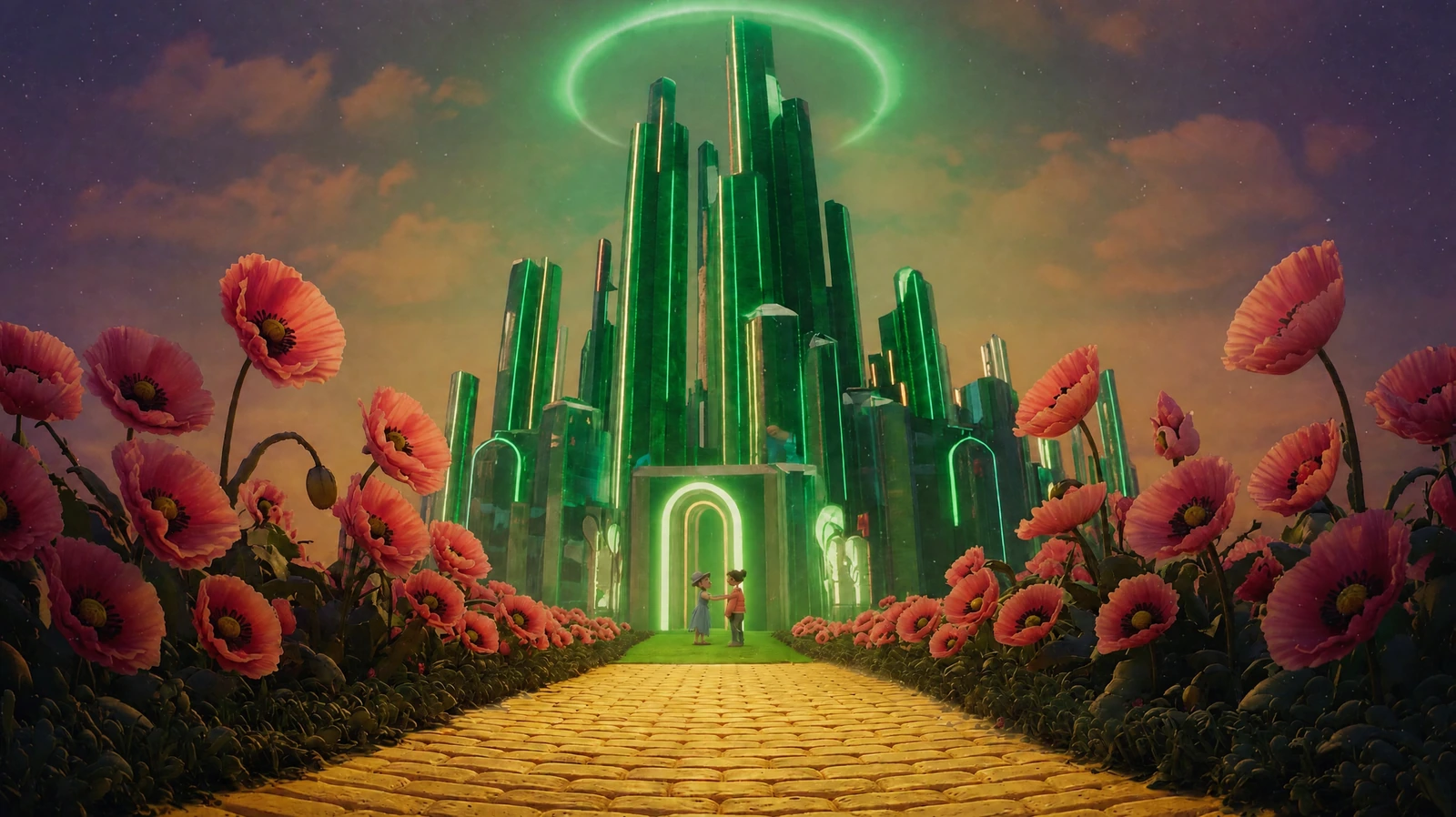
The Wizard of Oz: the poppy field, the yellow brick road and the Emerald City in full Technicolor
The Wizard of Oz
Technicolor
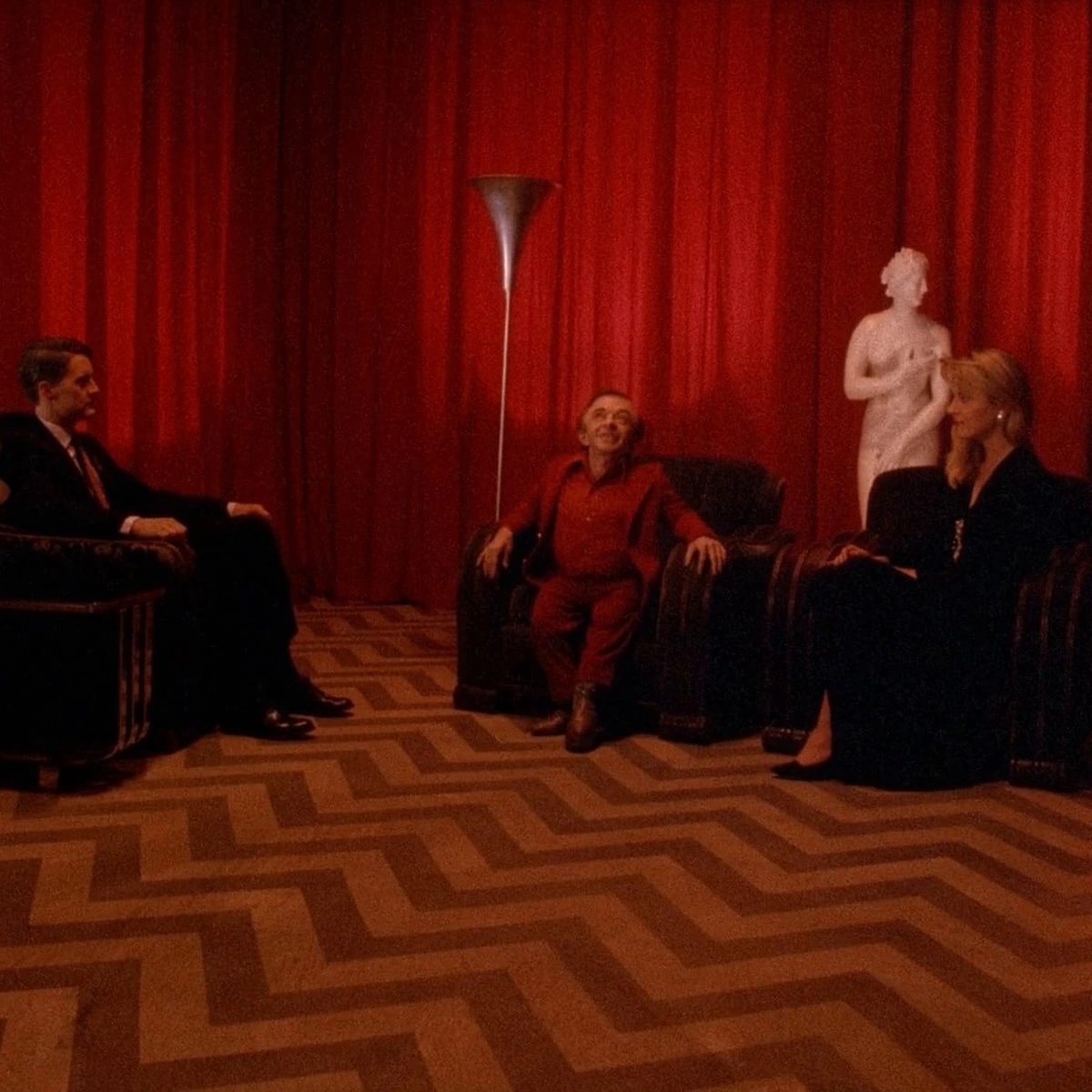
Twin Peaks: the Red Room, chevron floor, red curtains and the group seated
Twin Peaks
The red room
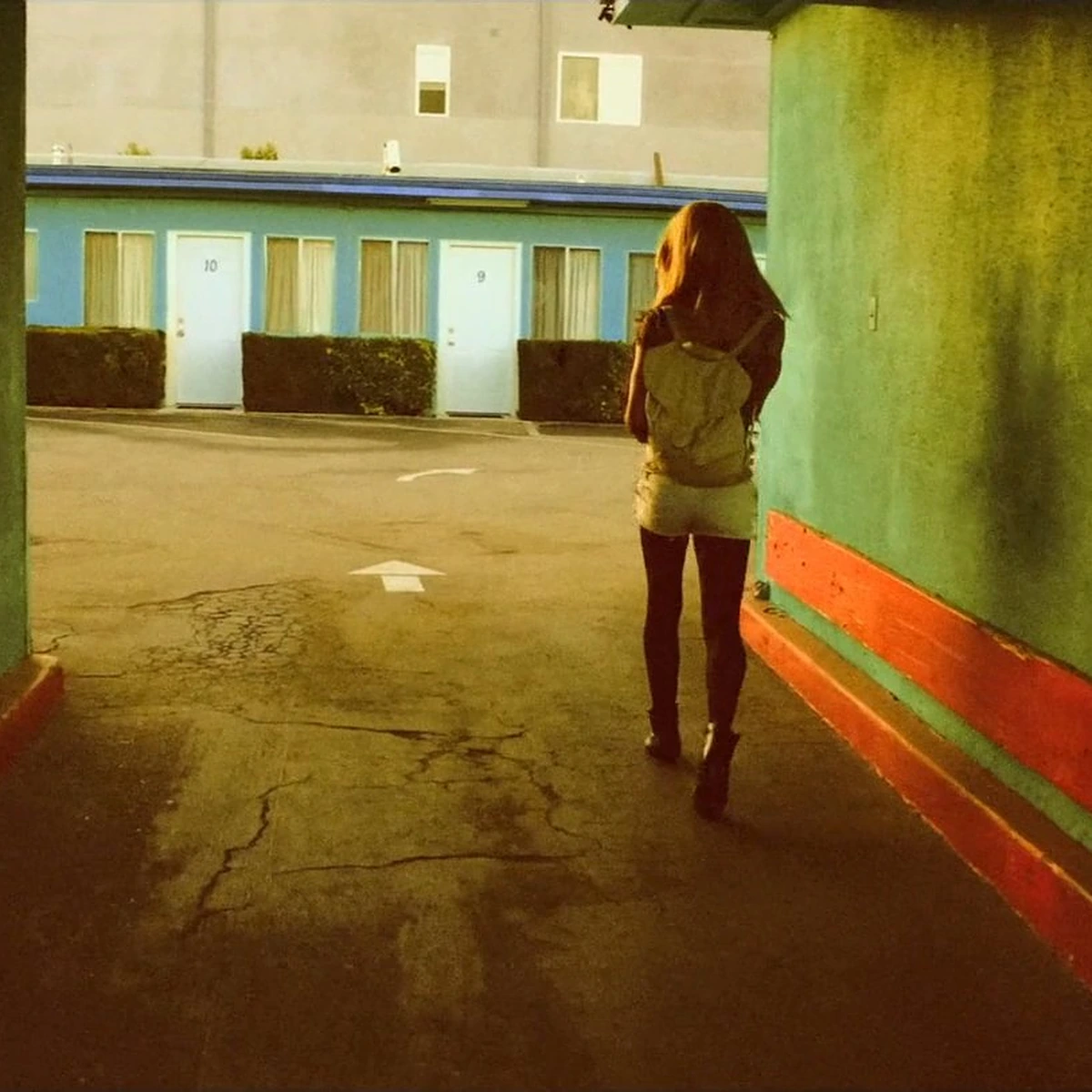
Tangerine: a figure at the end of a green alley in low orange sun
Tangerine
The alley
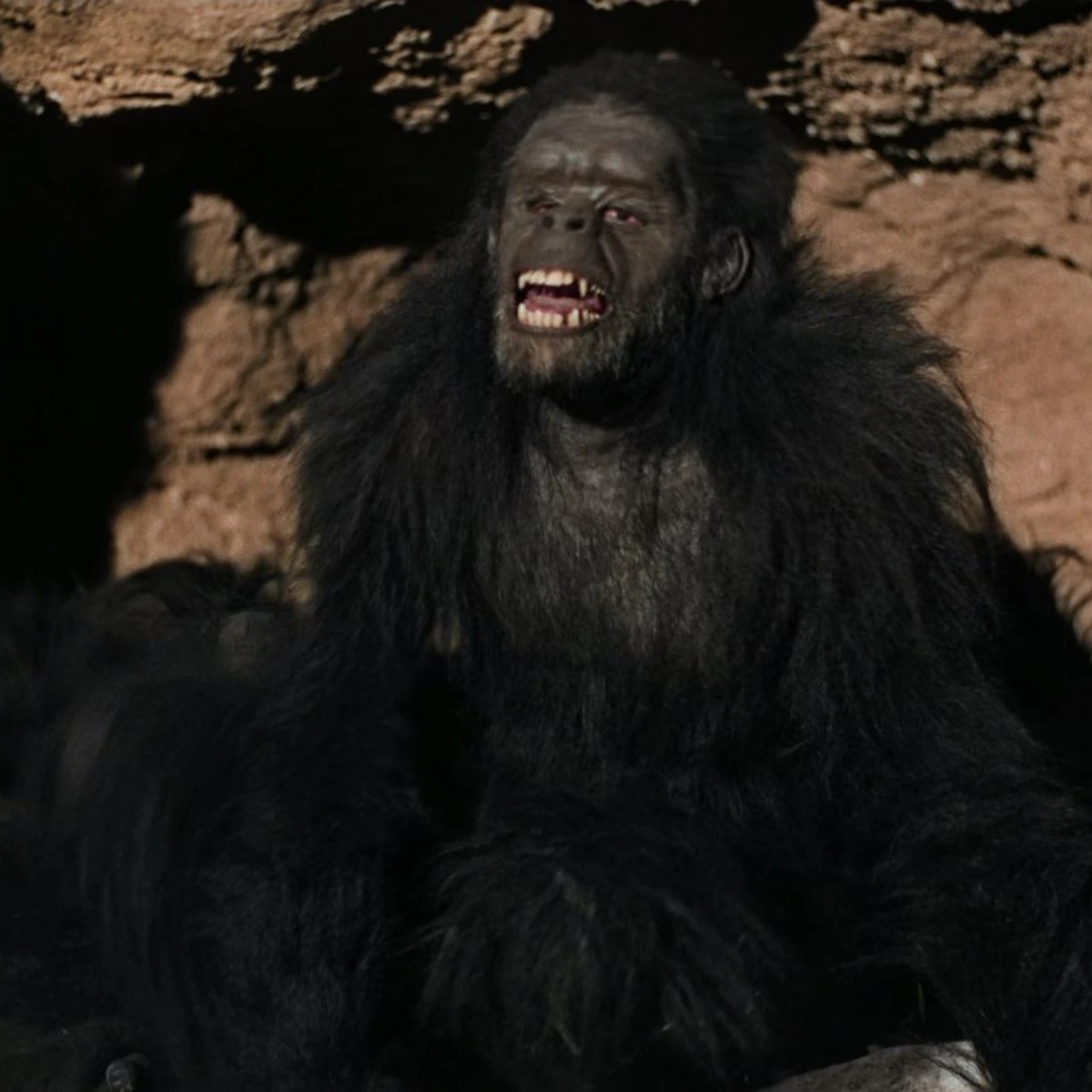
2001: an ape standing upright among the others at dawn
2001
The apes
LAIKA-style stop motion: a clay puppet with tool marks and fingerprints still visible in the surface
LAIKA
Clay you can see the hands in
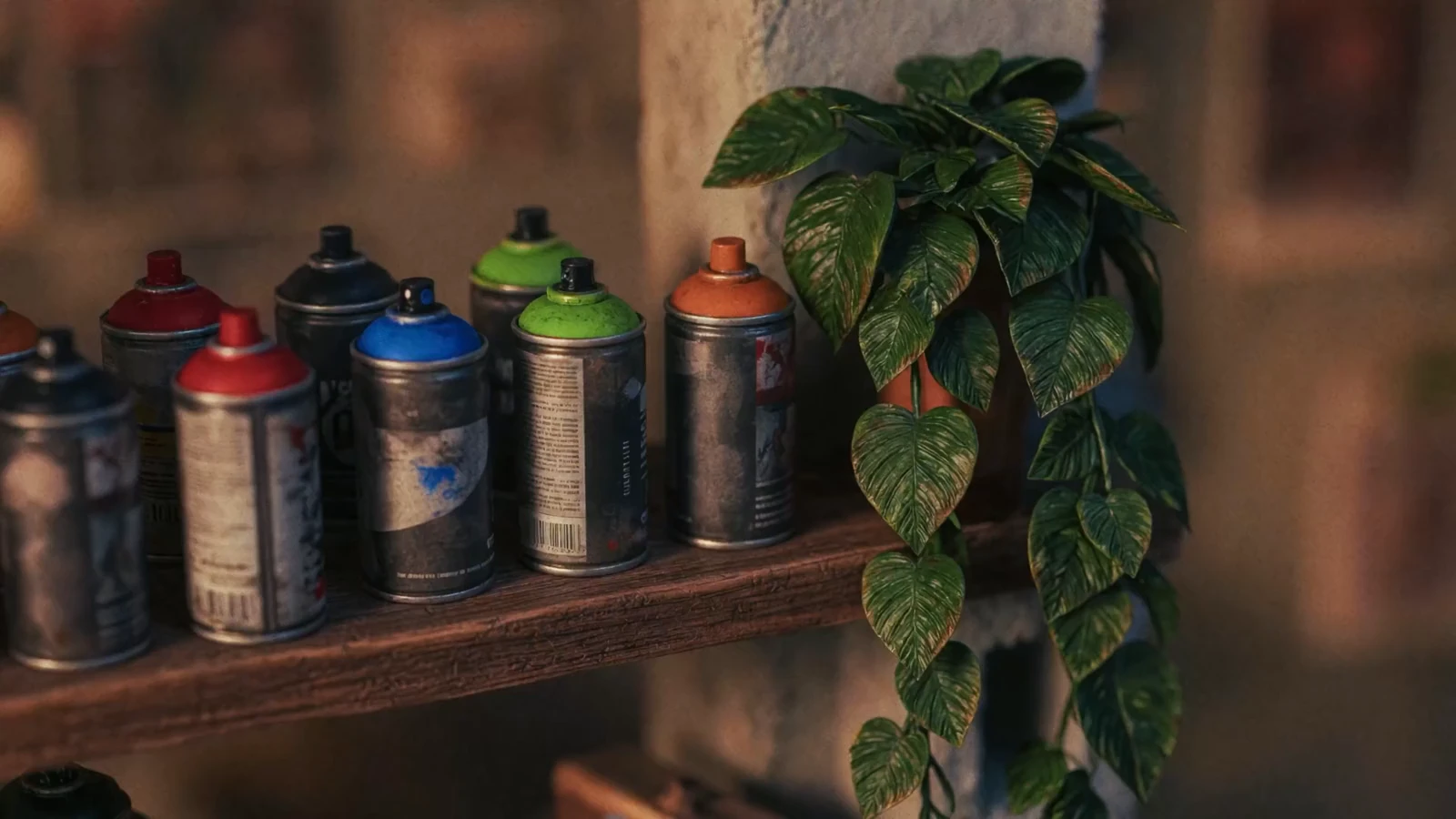
Her room: the film posters on the bedroom wall
Her room
The posters, chosen one by one.
Twenty-Four
Wishes per Second
The good decisions in this film came out of meetings, not out of one head.
DIRECTION
Arantxa Barcia
SCRIPT, EDIT
Adriana Arratia
CHARACTER DESIGN
Josefa Toro
SOUND DESIGN
Olmo Sebastián
PRODUCTION, GENERATION
Beatriz Pinto Ferreira
MOTION
Macarena Rico
PRODUCTION COMPANY
MITO Films
Made with MITO AI
TRY IT

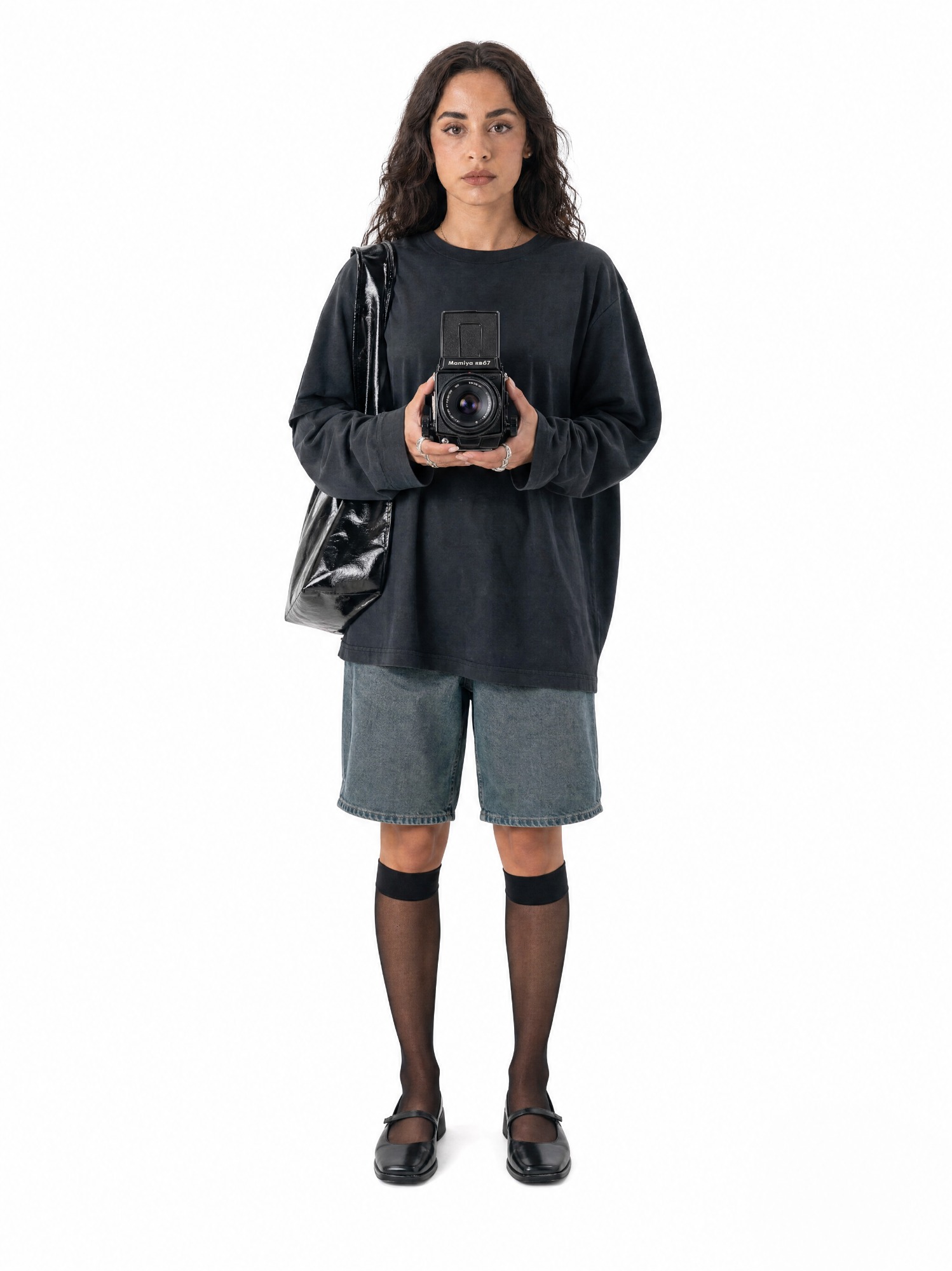
From Pontevedra, Galicia. Based in San Francisco,
where the camera and the terminal share a desk.

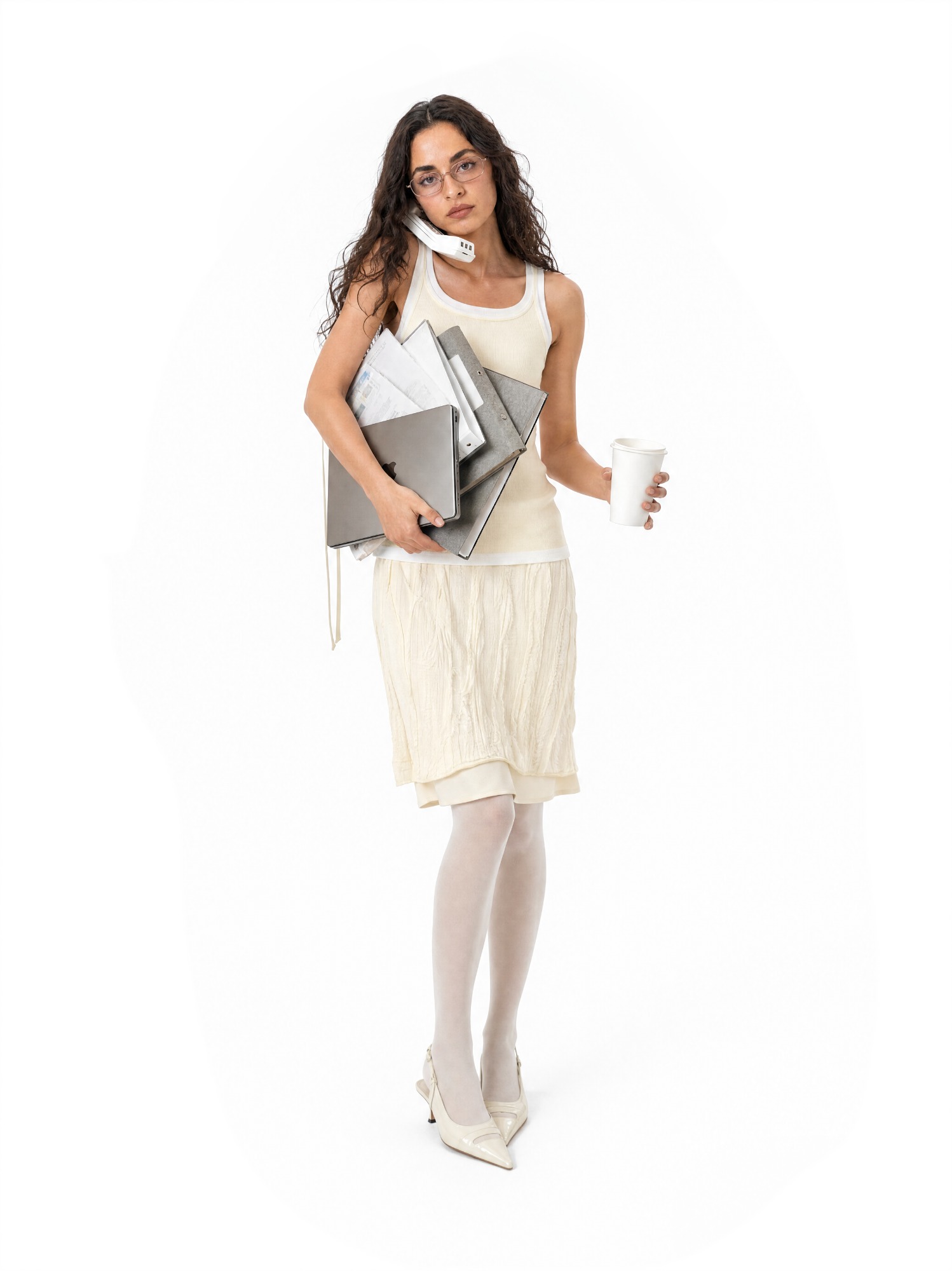
Portrait of Arantxa 1[1]
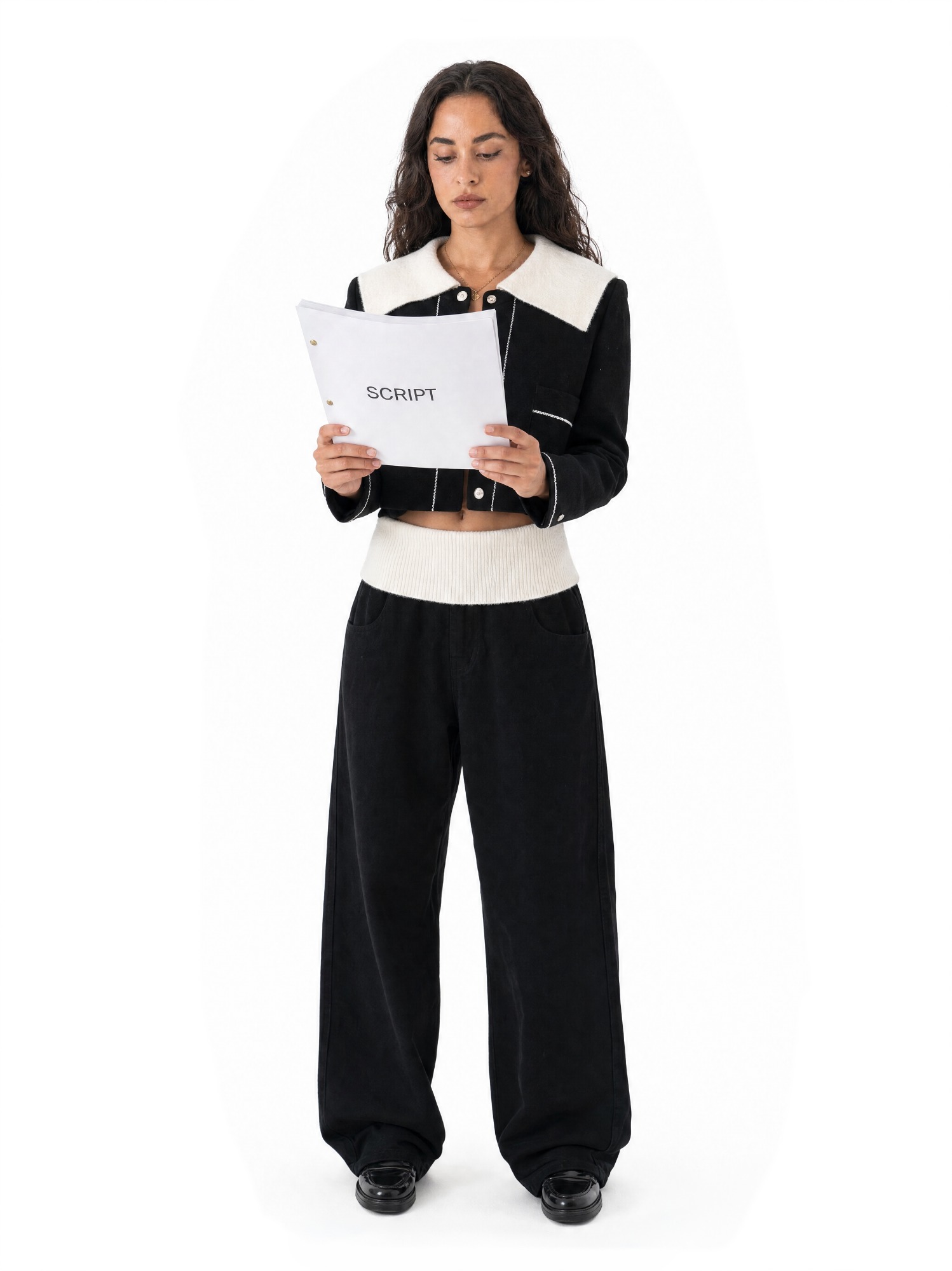
Portrait of Arantxa 2[2]
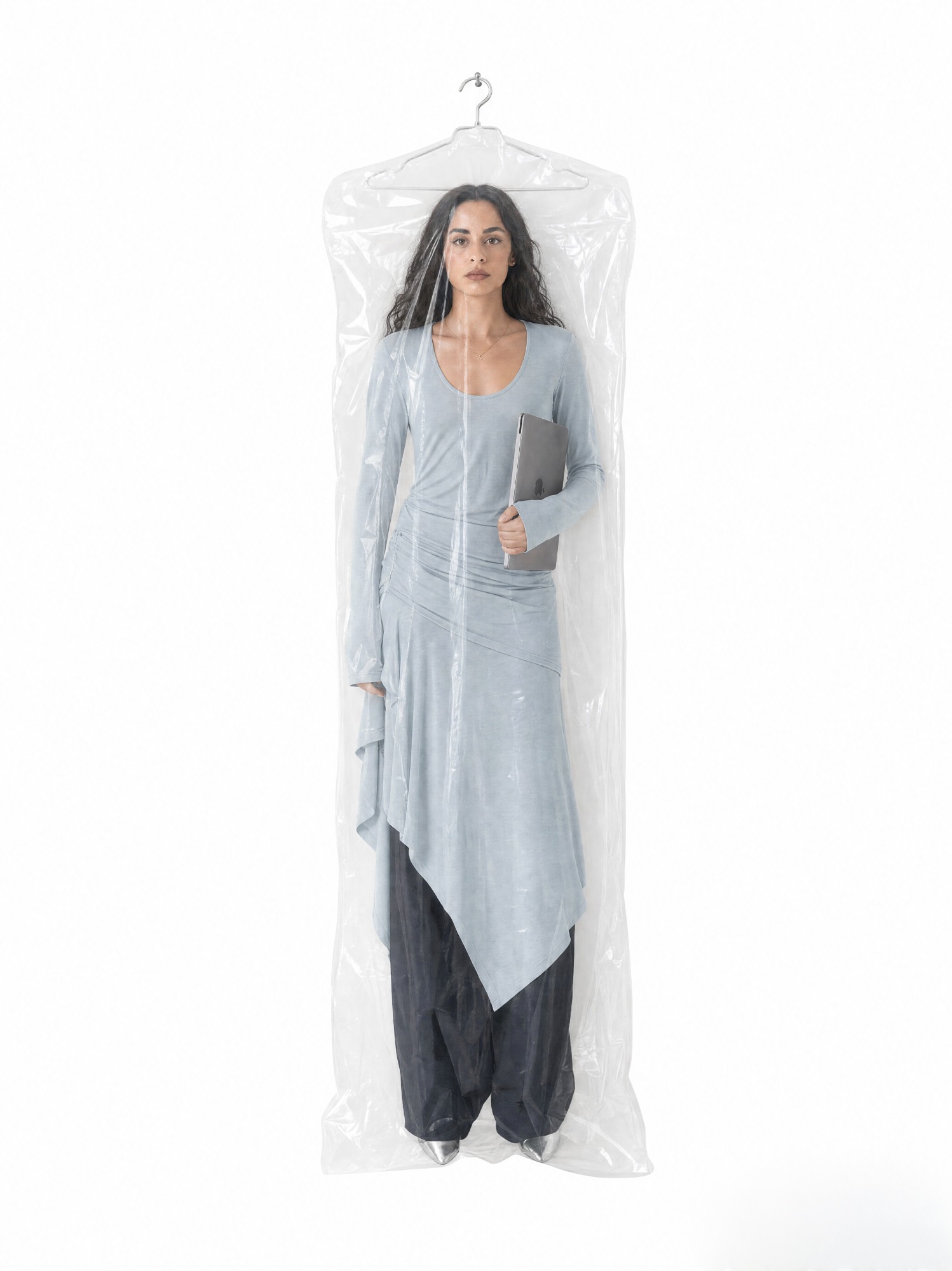
Portrait of Arantxa 3[3]
Portrait of Arantxa 4[4]
[5]
[6]

Some of me fits
in a frame

Photography · Code · Fashion · Film